
When Fragile Hair Mimics Hair Loss
Not all hair loss is due to shedding – some cases involve hair shaft fragility, where the hair breaks off before it grows long. The hair fragility may result from abnormal hair formation or external insults that damage the hair shaft.
Trichorrhexis Nodosa
This common condition weakens the hair shaft, leading to breakage and fraying.
Common Causes
- Excessive heat styling, coloring, perming, or harsh brushing
- Sometimes it may be associated with iron deficiency, hypothyroidism, or certain genetic disorders
Signs
- Brittle, frayed, or split-end hair strands that may appear uneven or have a brush-like appearance at the ends
- Short, broken hairs with uneven length
- Feels coarse, brittle, or rough
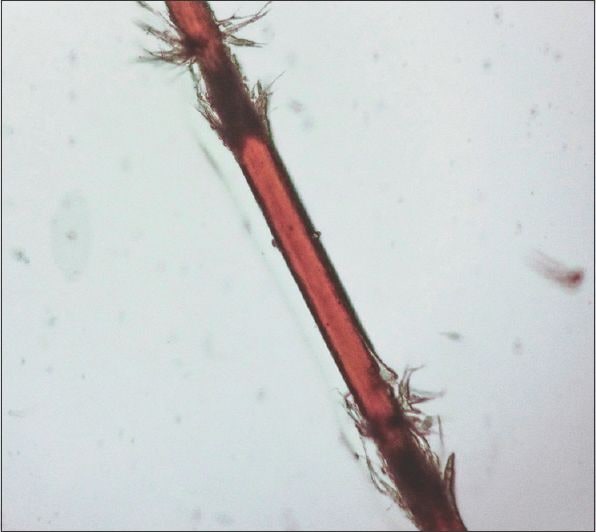
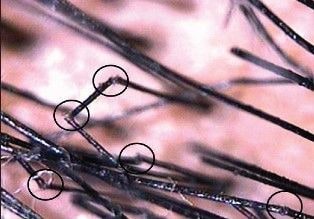
Trichoscopy shows hair shafts with frayed, whitish nodes and breakage points resembling broom fibers.
Diagnosis
Diagnosis is based on a detailed hair history, physical examination, and sometimes a microscopic evaluation of the hair shaft to confirm the presence of nodules or structural damage.
Treatment Options
Early treatment via a dermatologist focuses on reducing damage to the hair and promoting healthy regrowth.
- Avoid heat, harsh chemicals, and rough brushing
- Use gentle shampoos, deep conditioners, and wide-tooth combs
- Address nutritional deficiencies or medical conditions
Prognosis
In most cases, the hair can recover with proper care, and breakage can be minimized. However, regrowth and repair take time, so patience and consistent protective measures are key to restoring healthy hair. A dermatologist can help determine the best course of action tailored to your needs.
Loose Anagen Syndrome (LAS)
More common in young children (2-5 years old), especially those with fine blond hair, LAS causes hair to shed with minimal effort – like brushing or pulling. It can also affect adults.
The exact cause is not fully understood, but it is thought to be due to a genetic abnormality (defective hair root sheath) in the hair follicle’s ability to anchor the hair during the anagen (growth) phase.
Signs
- Hair falls out in clumps during brushing
- Hair appears thin, slow-growing, or patchy
- No inflammation or scarring
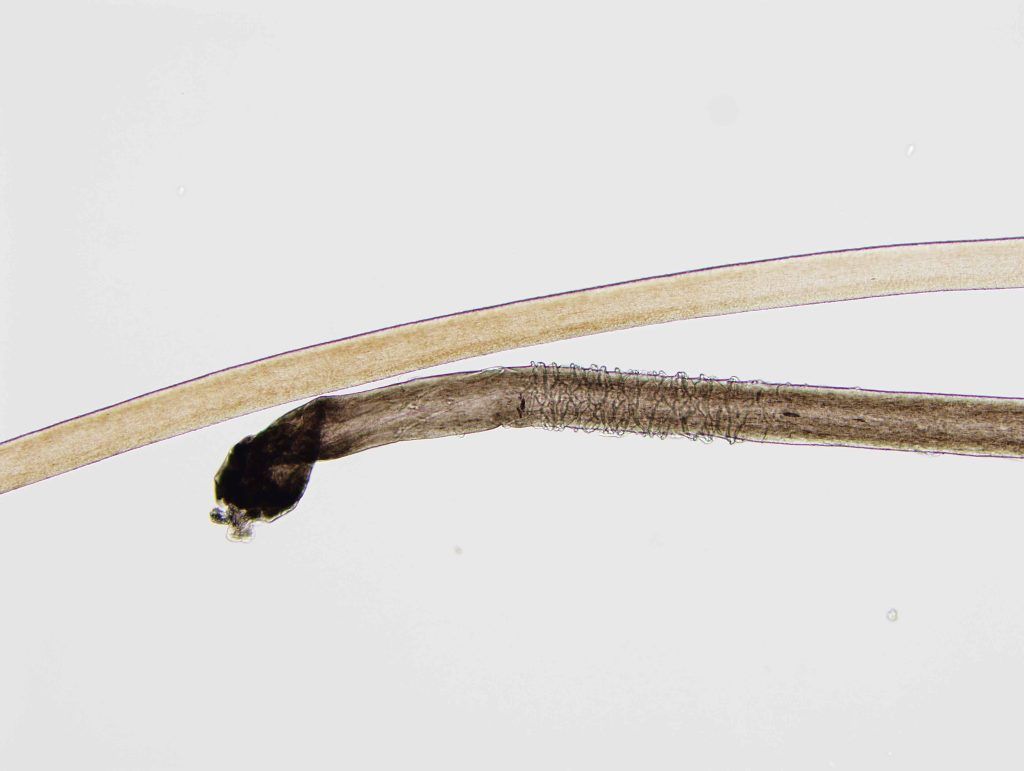
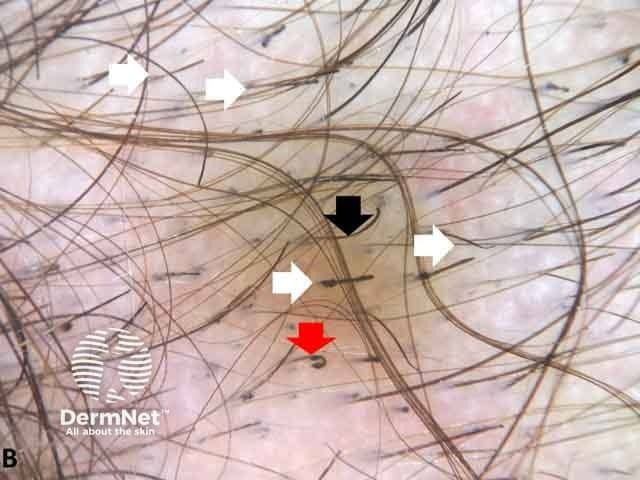
Trichoscopy shows numerous short, tapered, regrowing hairs, reduced hair density, and an absence of dystrophic or broken hairs, reflecting easily.
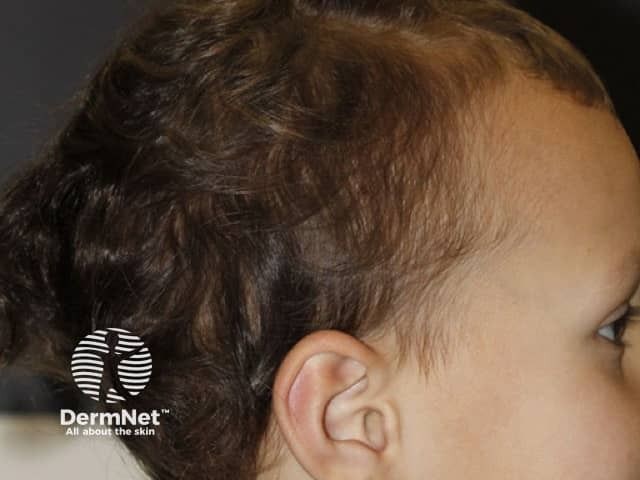
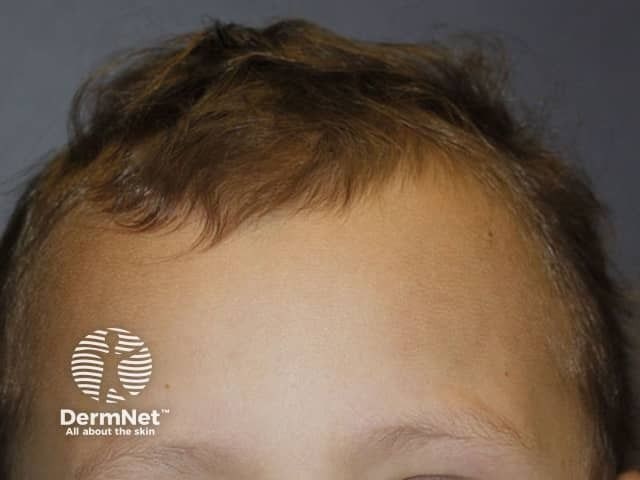
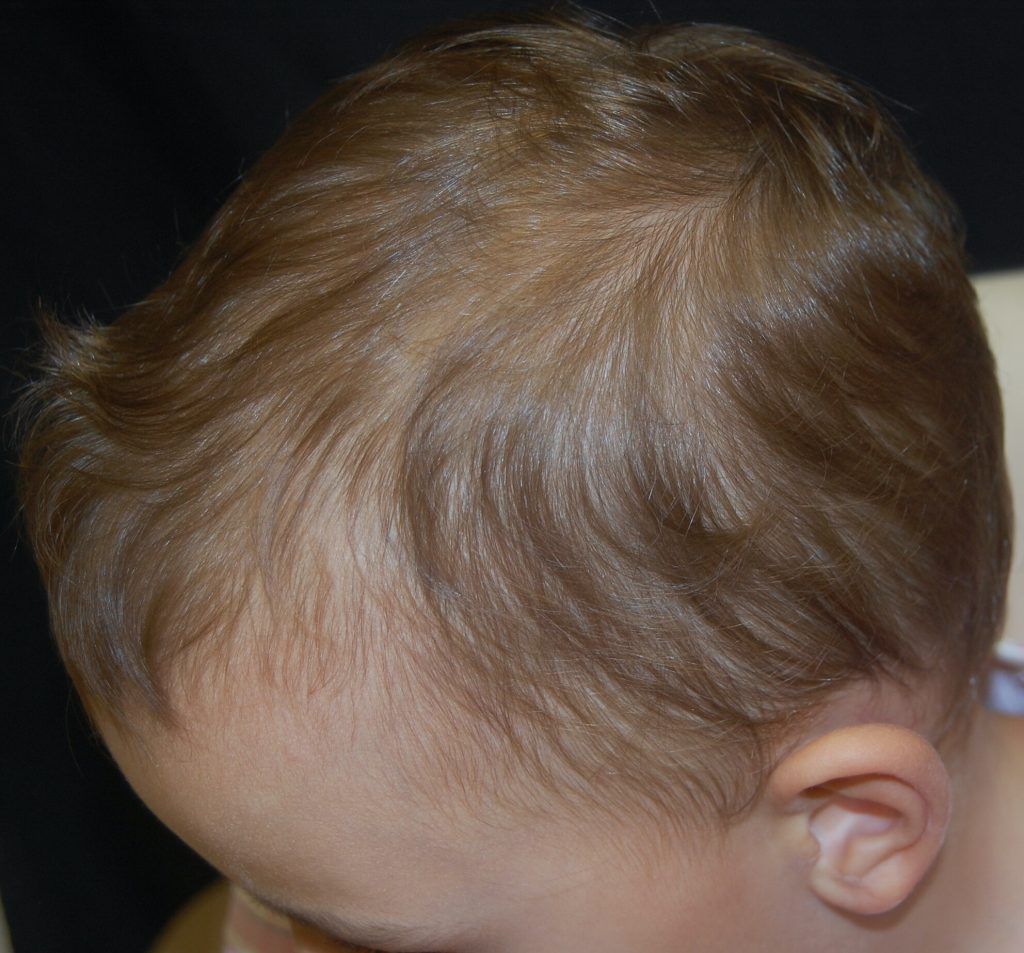
Piraccini, B. M., Patrizi, A., & Alessandrini, A. (2021). Short
anagen syndrome: A case series and algorithm for diagnosis.
Pediatric Dermatology, 38(5), 1157–1161
Diagnosis
Diagnosis is based on the patient’s history and a physical examination. A pull test, where gentle traction is applied to the hair, often reveals multiple loose hairs. When examining the shed hairs under a microscope, they are often found to be in the growth phase (anagen) but missing their protective root sheath (protective layer), which helps confirm the diagnosis.
Treatment Options
There is no specific cure for LAS, but it often improves with time as children grow older.
- Gentle hair care is key – no tight styles, harsh brushing, or heat tools
- Most children outgrow it with time
- Minoxidil may be used in more persistent adult cases
Prognosis
For children, reassurance is typically the most effective approach, as the condition is usually benign and often resolves on its own. Maintaining a healthy diet with adequate protein, vitamins, and nutrients helps strengthen hair.