
Why Eyebrows Matter More Than You Think
Eyebrows do more than complete your look—they shape how others see you, how you express emotion, and even how recognizable your face is.
- Facial expression & communication: Eyebrows are essential for conveying emotions like surprise, curiosity, and concern—often without saying a word
- Balance & beauty: They frame the eyes, enhance symmetry, and contribute to a harmonious facial appearance
- First impressions: Eyebrow shape, fullness, and grooming style can even hint at your personality—whether bold and confident or soft and elegant
- Function: They also serve a practical purpose by diverting sweat or rain away from your eyes, keeping your vision clear
If the eyes are the windows to the soul, the eyebrows are the elegant frames that complete the picture.
Eyebrows and Facial Recognition
Surprisingly, research shows eyebrows may be more important than eyes when it comes to recognizing faces.
- A study from MIT revealed that people had more trouble identifying famous faces when eyebrows were digitally removed than when eyes were
- Why? Eyebrows are stable, unique facial markers that stay consistent over time—even as other features like hair or skin change
This insight underscores how central eyebrows are—not just for beauty, but for identity.
What Your Eyebrow Shape Says About You
In Amazing Face Reading, author Mac Fuller explains how eyebrow shapes can reflect personality traits:
- Curved brows: People-oriented, empathetic, and relational
- Straight brows: Logical, analytical, and detail-focused
- Angled brows: Assertive, confident, and in control
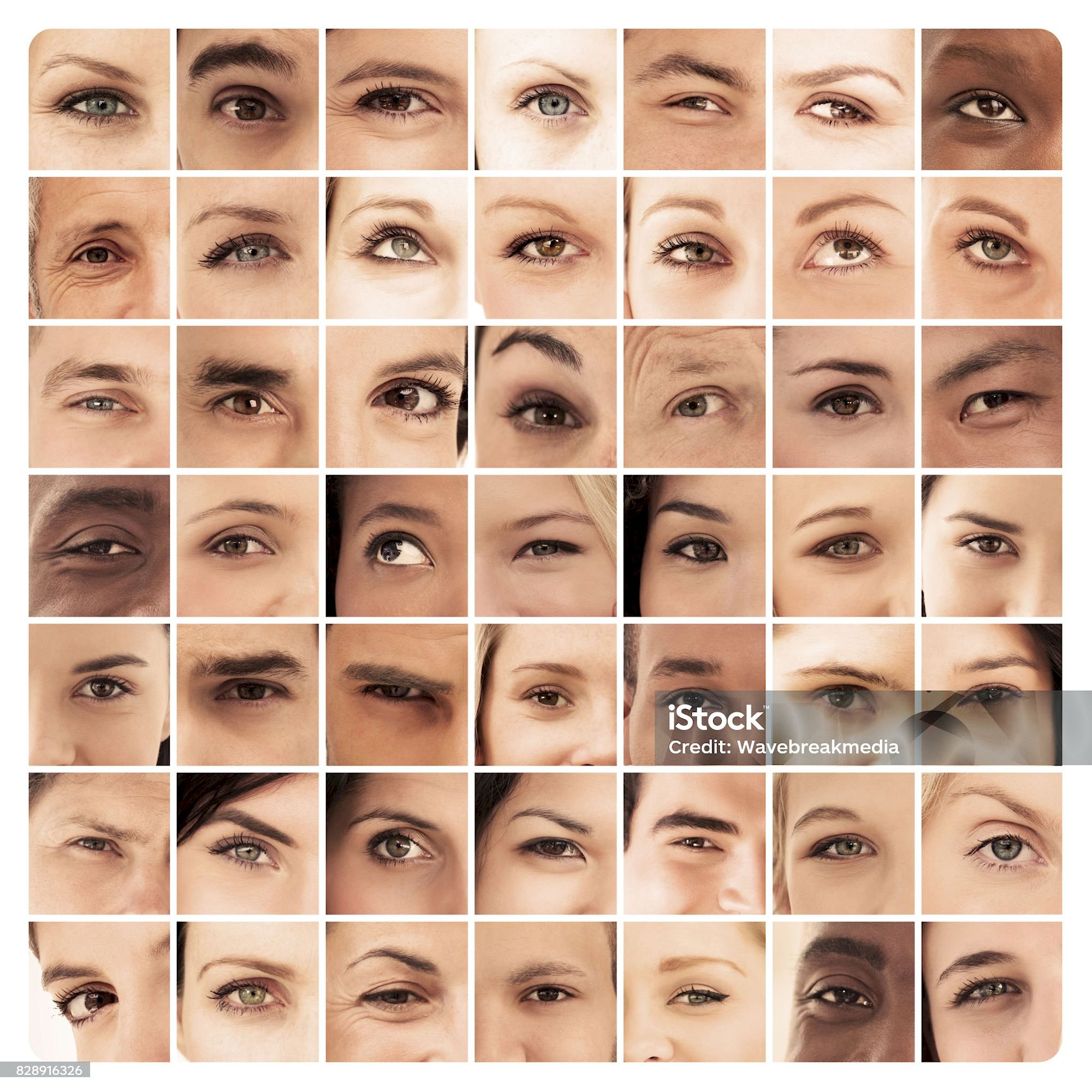
While personality isn’t determined by brow shape alone, these interpretations reflect how brows help express who you are—visually and emotionally.
A Brief History of Eyebrow Styles
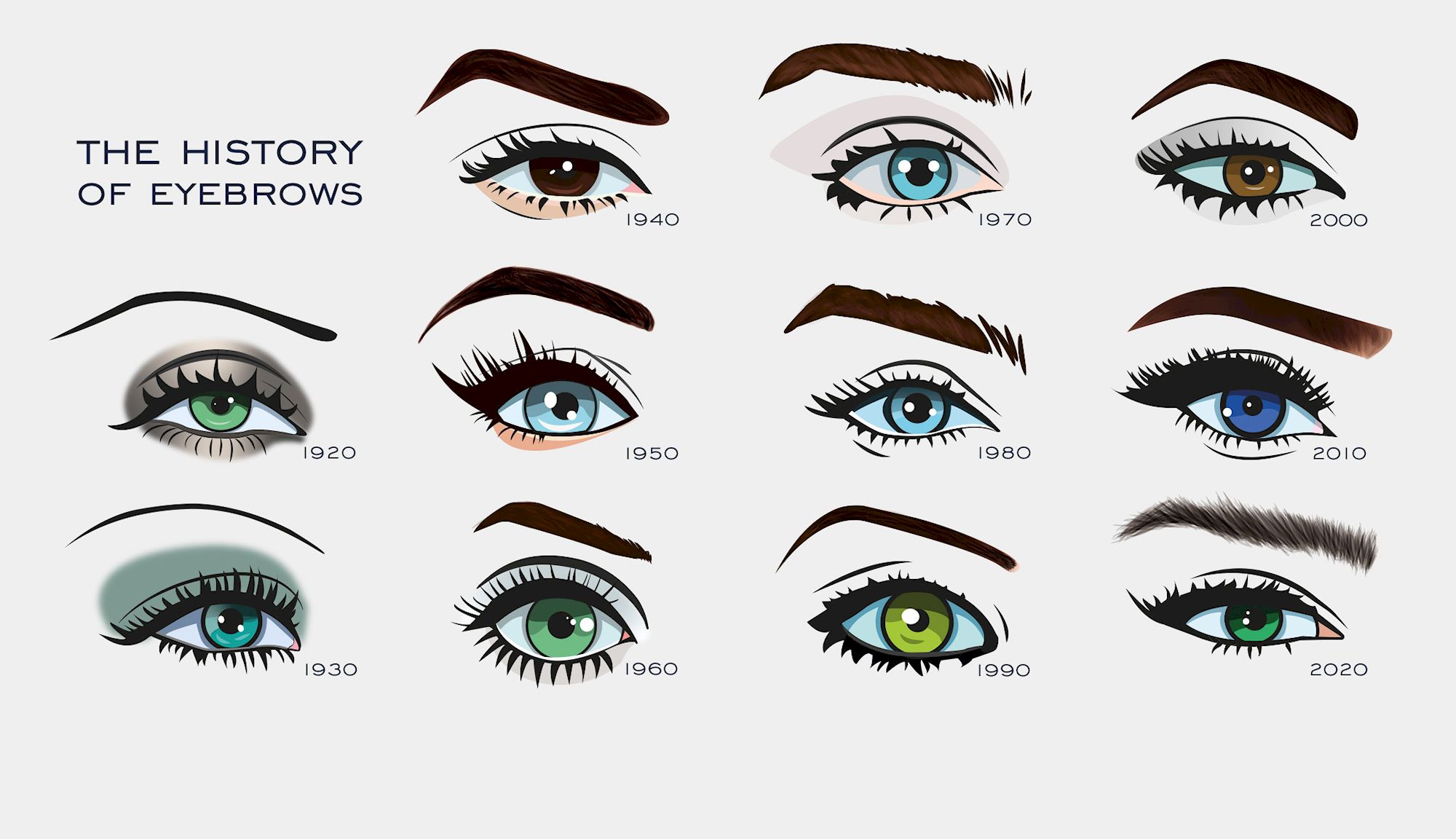
Eyebrow trends have always reflected the cultural ideals of the time—and they’ve evolved dramatically over the centuries.
Cultural & Historical Highlights:
- Ancient Egypt: Kohl eyeliner-lined, dramatic arches symbolized power and beauty
- Greek & Roman eras: Preferred natural brows that emphasized symmetry and balance
- Middle Ages (Europe): Women often removed brows entirely to highlight a high forehead—a sign of intelligence
- 1920s: Pencil-thin, highly arched brows took over, inspired by silent film stars
- 1940s: Fuller, more natural brows returned to fashion
- 1960s: The pendulum swung back to thinner, more refined brows
- 1980s: Bold, untamed brows were embraced—thick, expressive, and unapologetic
- 1990s: Ultra-thin, over-plucked brows dominated again
- 2000s–Now: Fuller, defined, and natural-looking brows are in—fueled by social media, beauty influencers, and a renewed appreciation for balance and authenticity
From Cleopatra to Cara Delevingne, eyebrow styles have told stories across generations—and yours should reflect your story.
Eyebrow Hair Insights: What You Should Know
Eyebrows may seem simple, but there’s more science behind those tiny arches than most people realize. From growth patterns to hair density and aging effects, understanding how eyebrow hair behaves can help you appreciate why precision matters in eyebrow transplant surgery.
Anatomy of the Eyebrow
Each eyebrow is typically 4.5 to 5 cm long and made up of three distinct segments:
- Head: The innermost portion, closest to the nose. Hair grows upright and is usually more sparse
- Body: The central part of the brow where the hair is denser and starts to flow outward
- Tail: The outermost section that tapers off toward the temple. Hairs here grow flatter and often appear thinner or lighter
Each segment has a unique growth direction and density, which is important to replicate in a successful eyebrow transplant for a natural result.
How Many Hairs Are in an Eyebrow?
On average, a person has:
- 250 to 550 hairs per eyebrow
- In some cases, as many as 1,100 hairs per brow
Caucasian individuals tend to have the highest follicular unit density, reaching up to 100 follicular units per square centimeter—a key reason why brow appearance can vary by ethnicity.
Eyebrow Growth Cycle vs. Scalp Hair
Eyebrow hairs follow a different rhythm than the hair on your head:
| Hair Type | Growth Phase (Anagen) | Why It Matters |
| Eyebrow Hair | 2 to 3 months | Explains why brows never grow too long |
| Scalp Hair | 2 to 7 years | Allows continuous, longer hair growth |
Eyebrow hairs also grow at a slower daily rate—around 0.12 to 0.14 mm per day, which contributes to their shorter length and lower turnover.
Eyebrows and Aging
Eyebrow changes are a normal part of aging, but they don’t affect everyone the same way.
- Thinning and graying/whitening are common in both men and women
- Lateral eyebrow loss (thinning at the outer edge) is particularly common in aging males and may be influenced by hormonal changes (thyroid imbalance)
The exact biological reasons for these changes are still being studied, but they reflect the complex interaction between genetics, hormones, and time.
Understanding the unique growth patterns, density, and aging changes of eyebrow hair is necessary for designing a natural-looking eyebrow transplant. Each graft must be placed with careful attention to direction, angle, and zone—because even small deviations can make a big difference in appearance.
Eyebrow Thinning: Causes, Treatments & What to Expect
Eyebrows don’t just shape your face—they express emotion, define your features, and play a major role in how others perceive you. So when they start thinning, it’s natural to want answers—and solutions.
But first, let’s be clear about what eyebrow transplant surgery can and can’t do.
What Eyebrow Transplant Surgery Does Not Treat
If your eyebrows are thinning but still have hair present, eyebrow transplant surgery is not designed to re-thicken existing brows. Instead, its primary purpose is to fill in areas of eyebrow loss—bald patches, scars, or completely missing tails or arches.
Think of surgery as a way to restore missing eyebrows, not to bulk up thinning ones.
Treatment Options for Thinning Eyebrows (Non-Surgical)
If you’re hoping to thicken the brows you already have, there are a few non-surgical treatments worth considering. These topical and oral options can stimulate eyebrow growth and improve density in cases of eyebrow hypotrichosis (sparse or thinning brows).
Bimatoprost (Latisse®)
Originally developed to treat glaucoma, Bimatoprost is FDA-approved to enhance eyelash growth and is now widely used off-label for eyebrows. 1,2,3,4,5
- Available in 0.01% and 0.03% formulations
- Helps improve eyebrow thickness and fullness
- Works by extending the growth (anagen) phase of eyebrow hairs
Clinical Insight:
Studies show both strengths can be effective, but 0.03% tends to yield slightly better results than 0.01%. That said, 0.01% may have fewer side effects like itching or skin darkening. 6,7,8,9,10
Topical Minoxidil
Known for its use in scalp hair loss, minoxidil is also showing promise for eyebrow regrowth. 11,12
- Typically used in 2% gel or 5% solution
- Stimulates hair follicles by increasing blood flow and nutrient delivery
- Has a strong safety profile when used on the brows
Side-by-side comparison:
In one study comparing 0.01% Bimatoprost, 0.03% Bimatoprost, and 2% minoxidil, all three treatments helped increase brow thickness—with minoxidil performing as well as Bimatoprost. However, 0.03% Bimatoprost had a slight edge in overall results.
Oral Minoxidil (for Scarring-Related Eyebrow Loss)
For patients experiencing eyebrow loss from frontal fibrosing alopecia (FFA)—a form of scarring alopecia—oral minoxidil has shown encouraging results.
- Dose: 0.5 to 2.5 mg per day
- Duration: At least 6 months
- Outcome:
- 71% of patients had partial eyebrow regrowth
- 29% experienced near-complete regrowth
This makes oral minoxidil a promising option for those whose eyebrow loss is linked to autoimmune or inflammatory conditions. 13
Final Takeaway
If your eyebrows are thinning but not completely gone, medications like Bimatoprost and minoxidil offer safe, non-invasive ways to help improve density. For completely bald areas, however, eyebrow transplant surgery may be your best long-term solution.
Causes of Eyebrow Hair Loss: What You Should Know
Eyebrows play a powerful role in how we express ourselves, frame our face, and connect with others. So when they start thinning—or disappear altogether—it can affect more than just your appearance. It can impact your confidence, self-image, and how you feel in social settings.
If you’re noticing gaps in your brows or have lost them entirely, understanding the root cause is the first step toward restoring them.
Why Do Eyebrows Fall Out?
Eyebrow hair loss, also known as madarosis, can be caused by many factors—ranging from aging and over-plucking to medical conditions and hormonal changes.
Here’s a breakdown of the most common causes:
Scarring from Injury or Burns
Trauma to the skin—whether from burns, accidents, or surgical scars—can damage the hair follicles beneath, leading to permanent hair loss in the affected area.
Hormonal Changes
Shifts in hormone levels can affect hair growth. Common triggers include:
- Pregnancy
- Menopause
- Thyroid conditions: In particular, hypothyroidism often causes thinning of the outer third of the eyebrow—a classic early sign.
Skin Conditions
Chronic skin inflammation around the brow area can weaken follicles over time. These include:
- Eczema
- Seborrheic dermatitis
- Contact dermatitis
- Psoriasis
Infections
Certain bacterial, fungal, or viral infections can harm the follicles and result in patchy or total eyebrow loss.
Nutritional Deficiencies
Your hair reflects your overall health. Low levels of the following nutrients can cause eyebrow thinning:
- Protein
- Vitamins A, B, C, D, and E
- Iron
- Zinc
- Omega-3 and omega-6 fatty acids
Medications That Can Cause Eyebrow Loss
Some medications affect hair growth as a side effect. Common culprits include:
- Chemotherapy
- Thyroid medications
- Beta-blockers and blood pressure meds (propranolol, atenolol, clonidine)
- Statins (cholesterol-lowering drugs)
- Blood thinners
- Antidepressants (Prozac, amitriptyline, lithium)
- Anti-seizure meds (phenytoin, valproic acid)
- Vitamin A-based drugs like Accutane
Radiation Therapy
Radiation in the facial region can damage local hair follicles, sometimes resulting in permanent hair loss.
Autoimmune Conditions
In these conditions, the immune system mistakenly attacks healthy follicles:
- Alopecia areata
- Frontal fibrosing alopecia (FFA)
- Discoid lupus erythematosus
- Scleroderma
Psychological Conditions
High stress levels and conditions like trichotillomania—the compulsive urge to pull out hair—can lead to significant eyebrow loss.
Emotional Impact of Eyebrow Loss
Eyebrows are more than facial features—they’re emotional anchors.
In one study of women with breast cancer, over half (52%) reported anxiety related to the loss of their eyebrows and eyelashes, while 25% developed new social anxiety as a result.
Men and women alike often feel self-conscious, avoid eye contact, or even change their grooming habits due to thinning or missing brows.14,15
Eyebrow Hair Transplant Surgery
A Permanent Solution for Missing Brows
Eyebrows do more than frame the face—they enhance expression, create facial symmetry, and play a key role in how others perceive us. When eyebrow hair is lost or thins over time, it can noticeably change your appearance and confidence.
Eyebrow hair transplant surgery offers a permanent, natural-looking solution for restoring or reshaping the brows using your own hair.
A Brief History of Eyebrow Transplants
The practice of eyebrow transplantation emerged in the late 20th century as hair restoration techniques evolved. Early attempts borrowed from scalp transplant methods, but results were often unnatural. It wasn’t until the 1990s that the procedure gained traction—thanks in large part to Brazilian physician Dr. Marcelo Gandelman, who refined the technique by focusing on precise hair angling and placement to match natural eyebrow growth.
Diagnosing Eyebrow Hair Loss
Before moving forward with a transplant, it’s important to understand why the eyebrows are thinning or missing. Diagnosis typically includes:
- A detailed medical and medication history
- A physical exam of the eyebrows and skin
- Bloodwork (if a medical cause is suspected)
This helps determine whether surgery is appropriate or if a medical condition needs to be treated first.
Who’s a Good Candidate?
Ideal candidates are in good overall health and meet the following criteria:
- Straight or wavy donor hair that blends naturally with the brows
- Sparse eyebrows due to overplucking, aging, or genetics
- Tired of using makeup or drawing on eyebrows daily
- Previous cosmetic tattooing or microblading they want to cover
- Desire to change eyebrow shape or density permanently
- Scars from burns, trauma, or surgery that prevent regrowth
- Medical hair loss causes, such as hypothyroidism (once stable)
- Realistic expectations about the outcome
Special Considerations for Curly Hair
Patients with curly hair may still be candidates, but results depend on how well the transplanted hair can mimic natural brow direction. Curly hair can sometimes lift away from the skin, creating an unnatural look. In these cases:
- Hair grafts must be carefully angled to help them lie flat
- Brows may appear wavy and require more grooming or styling products
- Texture mismatches may occur if natural brows are fine or straight
Who’s Not a Candidate?
Eyebrow transplant surgery isn’t right for everyone. You may not be a candidate if you have:
- Mild thinning only, without complete or patchy loss
- Insufficient donor hair
- Active skin conditions in the brow area (eczema, psoriasis, dermatitis)
- Uncontrolled hypothyroidism or autoimmune disorders
- Scarring alopecia, such as Frontal Fibrosing Alopecia (FFA), where follicles are permanently damaged, and implanting into diseased skin may lead to little or no growth or fall out in the future
- Alopecia Areata, which causes unpredictable patchy loss
- Trichotillomania (hair-pulling disorder)
- Body Dysmorphic Disorder (BDD), where expectations may not align with outcomes
- History of keloid scarring or poor wound healing
- Smoking or poor lifestyle habits that impair healing
- Poor nutrition or vitamin and mineral deficiencies
Patients must also have realistic expectations about the outcome.
Hair Graft Assessment: What Type of Hair Works Best?
Not all hair is created equal—and choosing the right donor hair is crucial to natural-looking results.
- Caucasians tend to have the highest follicular density (~100 units/cm²)
- Asians typically have coarser, thicker strands
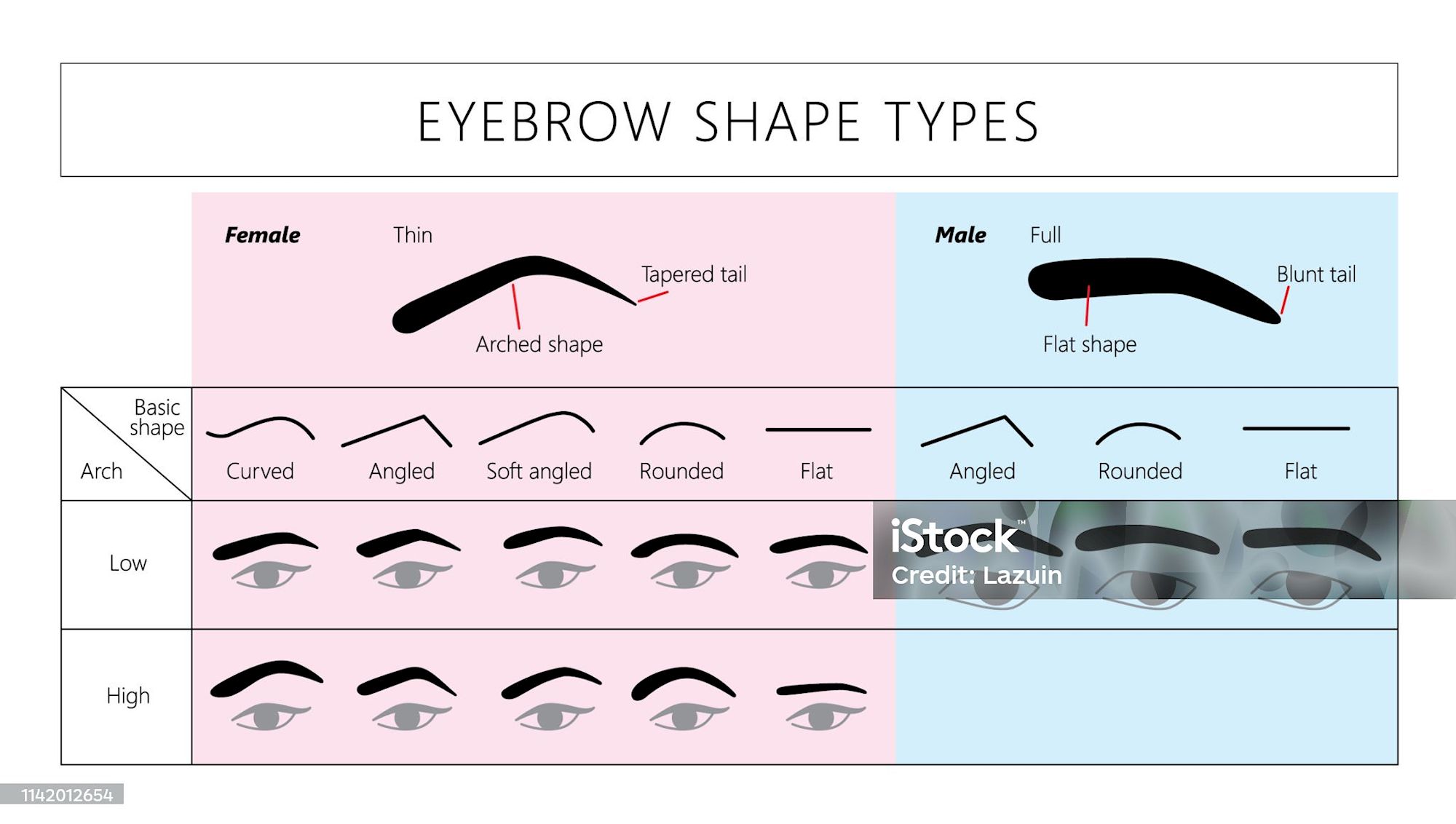
- Women’s brows often have a more defined arch
- Men’s brows tend to be flatter and thicker with less curvature
Surgical Planning for Eyebrow Restoration
Creating Natural, Personalized Results That Fit You
Eyebrow transplant surgery is both a medical procedure and an art form. It requires a deep understanding of facial aesthetics, hair growth patterns, and meticulous surgical technique. It’s not just about adding more hair—it’s about designing a shape that complements your features, follows your natural hair direction, and looks completely authentic.
When done right, the results are permanent, low-maintenance, and indistinguishable from natural eyebrows.
Understanding Eyebrow Growth Patterns
Eyebrow hairs don’t grow randomly—they follow very specific, natural patterns that give the brow its distinctive shape. Here’s how it works:
- Inner brow (head): Hairs fan upward and slightly outward.
- Central brow (body): Hairs begin to grow more horizontally.
- Outer brow (tail): Hair direction shifts downward at a diagonal, following the natural taper of the brow.
Even within the same brow, hair direction and angle change from one section to another. That’s why precision during surgery is critical—each hair must be placed at just the right angle and direction to mimic nature.
Designing the Ideal Brow: A Custom Approach
No two faces—or eyebrows—are the same. During surgical planning, Dr. Yaker will evaluate multiple factors to create a personalized, balanced design that fits your unique facial structure and style:
- Facial shape and bone structure
- Eye shape and size
- Forehead height and brow bone projection
- Hair characteristics
- Baseline eyebrow hair density
- Natural hair growth pattern
- Personal style preference (soft vs. bold, straight vs. arched)
Here’s how it all ties together:
Facial Feature Brow Design Strategy
| Long face | Flatter, more horizontal brows to help shorten the length of the face |
| Oval face | Soft, angled brows enhance balance and symmetry |
| Round face | Higher arches, that elongate the face |
| Prominent forehead | Lower-arched or straight brows balance strong bone structure |
| Soft facial features | More defined or angled brows create structure and contrast |
Think of the brow as the “finishing touch” that balances your entire face. The right shape and density can dramatically enhance your natural beauty and help you feel more confident in your appearance.
Art Meets Precision
During the procedure, each hair is implanted at an angle as shallow as 10–20 degrees to match the natural lay of brow hair against the skin. Small adjustments are made for each segment of the brow to ensure a seamless, natural look—this is where surgical skill and aesthetic judgment truly come into play.
Position Matters: Small Changes, Big Impact
Eyebrow position plays a major role in facial expression:
- Too high in the center (medial brow): Can create a constantly surprised look
- Too low in the center with a high outer peak: May give an angry expression
- Low outer edge: Often makes the face appear sad
- Downward sloping brows: Can age the appearance
- Overly arched brows: May look exaggerated or unnatural
Ideally, the outer tail of the brow should sit at the same horizontal level—or slightly higher—than the inner brow. This keeps the expression natural, alert, and balanced.
As you can see, eyebrow restoration is a highly artistic process. A well-designed brow enhances your facial harmony, while a poorly placed one can throw off your entire appearance.
Eyebrow Hair Density
Getting natural-looking results from an eyebrow transplant isn’t just about adding more hair—it’s about placing the right number of hairs, in the right places, at the right angles. Every follicle matters.
How Dense Should Eyebrows Be?
A typical eyebrow transplant aims for about 30 to 45 follicular units per square centimeter (FU/cm²). This level of density creates a full, soft, and natural appearance without overwhelming the skin or causing the hairs to crowd each other.
To achieve this, we use:
- Single-hair grafts for the head and tail of the brow (for a soft, feathered look)
- Two-hair grafts for the central body of the brow (to add subtle volume)
How Many Grafts Are Needed?
This depends on the starting density, your goals, and whether one or both brows need work. On average:
- 100 to 700 grafts per brow may be needed
One Session or Two?
While we aim to achieve your goals in one procedure, sometimes a second session is needed to build further density or refine the shape. Here’s why:
- The skin can only safely accept a limited number of grafts in one session
- Overcrowding can damage existing skin or compromise graft survival
- A follow-up session (usually 12 months later) gives time to assess healing and final results before making refinements
Which Hair Transplant Method Is Right for You?
Follicular Unit Transplantation (FUT)
FUT has long been the gold standard for eyebrow transplant surgery. Here’s how it works:
- A thin strip of hair-bearing skin is carefully removed from the back or sides of the scalp, where hair tends to be more permanent and resistant to thinning
- The strip is usually 1 cm (< 0.5 inches) wide and 4–8 cm (1.5-3 inches) long, depending on the number of hair grafts needed
- Rather than trimming the donor hair short, your hair is kept longer. This makes it easier to thread each hair graft precisely and follow the natural curve of the eyebrow
- After removing the strip, the area is closed with fine stitches. Hair above the stitches naturally falls over the area, making it barely noticeable
- Stitches are removed after 10–14 days, leaving behind a thin linear scar—typically just 1–2 mm wide—that’s easily concealed by your existing hair
Why FUT is often preferred for eyebrows:
- Longer hair makes placement and angling more precise
- Excellent option for high-density brow goals
- Ideal if you plan to wear your hair medium to long in length
SmartGraft™ Follicular Unit Excision (FUE)
FUE is a minimally invasive technique that removes individual hair follicles without needing a linear incision. For eyebrow transplants, SmartGraft™ makes this process even more refined and efficient.
- Instead of shaving your entire donor area, only a small rectangular patch is trimmed—typically about 1.5 to 2 cm (less than an inch) wide and 12 to 15 cm (4.5 to 6 inches) long
- Hair is clipped to 3–5 mm, making it easier to see the curve and direction of each follicle
- A specialized SmartGraft™ device is used to create tiny circular incisions (0.7 to 1.0 mm in diameter) around each follicular unit, which are gently extracted with suction
- The surrounding hair conceals the shaved section, especially if your hair is at least 2 inches long
- The small incisions heal quickly—usually within a few days—and no stitches are required
Why choose SmartGraft™ FUE:
- Great for those who prefer short hairstyles
- Minimal scarring—small pinpoint marks that are virtually undetectable
- Faster recovery time with no stitches to remove
Which Technique Is Right for You?
Both FUT and SmartGraft™ FUE can deliver excellent results when performed by a skilled surgeon. During your consultation, Dr. Yaker will recommend the approach best suited to your goals and expectations.
Donor Area Preparation
Eyebrow transplant surgery starts with identifying the best donor area—the part of your scalp where healthy hair follicles are harvested. This is typically the back or sides of the scalp, where hair is genetically resistant to thinning and most likely to grow long-term.
To keep you comfortable during the procedure, we use local anesthesia with tiny needles—much like what you’d experience at the dentist. For those who feel anxious, we also offer oral sedatives and nitrous oxide (laughing gas), so you can relax, watch TV, or listen to music while we work.
Donor Hair Removal
Donor planning isn’t just about removing hair—it’s about protecting the future.
At our clinic, we take a strategic approach to donor area management. This ensures:
- Long-term sustainability: We preserve a healthy reserve of hair follicles for possible future procedures
- Natural aesthetics: Avoiding overharvesting keeps the donor site looking full and undisturbed
- Optimal graft survival: Carefully chosen follicles from the sides or back of the scalp are more resistant to hair loss and have a high success rate when transplanted
Think of the donor area as a resource. Managed well, it supports long-lasting, natural-looking results.
Hair Follicle Inspection & Preparation
After extraction (via FUT or SmartGraft™ FUE), each hair follicle is:
- Inspected under a microscope
- Trimmed to fit the incisions
- Sorted into 1–2 hair units
- Stored in chilled saline to preserve vitality
This step is all about protecting the integrity of the grafts, ensuring that only the healthiest follicles are implanted.
Recipient Site Creation
This is where the artistry of eyebrow restoration shines.
Tiny incisions are made using specialized needles or blades. Each incision is carefully designed to mimic the natural:
- Direction
- Angle
- Depth
- Density
It’s this step that shapes the final look of your brows.
Hair Graft Placement
Placing the grafts is a high-precision task. Each individual hair is:
- Rotated to align with the natural curve of your brow
- Angled precisely to lay flat against the skin
- Positioned deliberately to avoid hairs sticking out at odd angles
Proper placement is what makes your new brows look soft, natural, and seamless—not out of place.
Procedure Time
The procedure typically takes 2 to 6 hours, depending on the number of grafts and complexity of the case. You’ll be awake and relaxed the entire time, often watching TV, listening to music, or even napping.
Recovery & Growth Timeline
Here’s what to expect post-procedure:
Days 1–10
- Small scabs form around each hair graft
- Scabs fall off naturally within 7–10 days
- Mild redness, swelling, bruising, or “sunburn” look around the brows (easily covered with makeup)
Weeks 2–6
- Most transplanted hairs shed—this is totally normal
Months 3–4
- New growth begins
- About 25% of the new brow hairs become visible
Month 6
- 40–60% of the final result is usually in
Month 12-15
- Final results visible
- Full, natural-looking eyebrows are restored
What About Pain?
Everyone’s experience is different, but most people report mild tenderness or tightness for a few days. Discomfort is usually well-managed with over-the-counter pain relievers.
Other temporary symptoms may include:
- Minor swelling or bruising around the eyes
- Redness and itching
- Feeling of tightness at the donor site
Return to Normal Life
- Day 2: You can wear a hat to cover the donor area
- Days 7–10: Trim the brows once scabs are gone
- Days 10–14: Return to full activity, including exercise
This is a low-downtime procedure with long-lasting, high-impact results.
Eyebrow Hair Maintenance
Eyebrow hair transplants use hair from the scalp—where hair grows faster and longer than natural eyebrow hair. That means your new brows will require regular trimming. Most patients need to trim their transplanted eyebrows once or twice a month.
Over time, as your body adapts, the growth rate may slow slightly, and the transplanted hairs may begin to behave more like natural brow hair.
Training the New Growth
It’s normal for some hairs to initially grow in odd directions. This is due to microscopic scarring in the skin where each follicle was placed. That tiny scar tissue can cause slight puckering, which may affect the angle of growth.
To help guide the hair as it grows in:
- Apply a small amount of Vaseline or brow gel
- Gently smooth the hairs into the correct shape
- Be patient—this phase is temporary
With consistent grooming and styling, your new brows will begin to settle into a natural flow.
Eyebrow Hair Graft Survival Rates
Eyebrow transplants are typically very successful. On average, 75% to 90% of the transplanted hairs survive and grow.
What Causes an Eyebrow Hair Transplant to Fail?
With proper technique and post-operative care, the result are permanent, natural-looking eyebrows that you can shape and style however you like.
While modern facial hair transplants are highly successful, results can vary depending on several factors:
Patient factors (pre-op + early post-op)
- Vascular health & habits
- Nicotine and Tobacco → vasoconstriction & poorer healing
- Diabetes, peripheral vascular disease, uncontrolled hypertension → it is important optimize and control these conditions before surgery
- Skin health
- Active folliculitis, acne, seborrheic or atopic dermatitis needs to be treated before surgery
- Prior scarring may reduce blood flow to the skin
- Systemic & nutritional status
- Correct nutritional deficiencies, hormonal imbalances, and improve protein intake before surgery, which leads to better wound healing
- Correct nutritional deficiencies, hormonal imbalances, and improve protein intake before surgery, which leads to better wound healing
- Adherence to aftercare
- Keep grafts moist, clean, and avoid friction for the first 7–10 days
Intra-operative factors (surgeon + team)
- Minimzing donor harvesting transection rates
- Graft handling and environment
- Density: Avoid excessive density that compromises blood flow
- Team, workflow, and environment
- Experienced, well-rehearsed team with clear role assignment and time tracking at each step.
The most common cause of poor outcomes is choosing an inexperienced or unlicensed clinic, where improper technique, poor graft handling, or unsafe practices lead to:
- Lower graft survival
- Unnatural eyebrow shape and design
- Unnatural hair direction, angles, or density
Expected Cost
Eyebrow hair transplant surgery is performed at our state-of-the-art surgical center and is priced at $7,000.
Choose Experience. Expect Natural Results
The best transplants are the ones no one notices.
When done correctly, eyebrow restoration should blend perfectly with your natural features. At our clinic, we combine technical precision with aesthetic artistry to create brows that look effortless and elegant.
Want to see what’s possible? Check out Dr. Yaker’s before-and-after gallery to view real patients who’ve undergone eyebrow transplant surgery.