
Why Eyelashes Matter
Eyelashes do more than just frame your eyes—they protect them and enhance how you look.
- Functionally, they serve as a natural shield. Lashes help block dust, debris, and sweat from getting into your eyes. They also trigger a protective blink reflex when something gets too close—like a built-in defense system
- Aesthetically, lashes have a big impact on facial appearance. Long, full lashes make the eyes look bigger, brighter, and more expressive. They add balance and symmetry to the face and often define a person’s beauty or style
That’s why so many people invest in lash products—mascara, extensions, or serums. But for those with missing lashes, a permanent solution like eyelash hair transplant surgery can restore both protection and beauty.
A Brief History of Eyelash Trends
Eyelashes have played a key role in beauty standards for centuries—and their meaning has changed with the times.
- Ancient Egypt & Rome: Long lashes symbolized purity, power, and beauty. Women used kohl and soot to darken and lengthen them
- Middle Ages: Beauty ideals flipped—plucked lashes and brows were in, all to highlight a high forehead
- Early 1900s: A game-changer—Maybelline was born. Founder T.L. Williams created the first commercial mascara (using coal dust and petroleum jelly) to help his sister darken her lashes. This revolutionized lash styling by making bold lashes more accessible and led to the creation of Vaseline (petroleum jelly)
- 1950s–60s: Big, bold lashes exploded in popularity. Think Twiggy’s (celebrity) signature look—thick, dramatic lashes made possible by false lashes and heavy mascara
- 2000s: Eyelash extensions entered the scene, offering a semi-permanent glam option
- 2010s–Now: Lash lifts, tints, growth serums, and transplants became popular, giving people a natural, low-maintenance option with long-term results
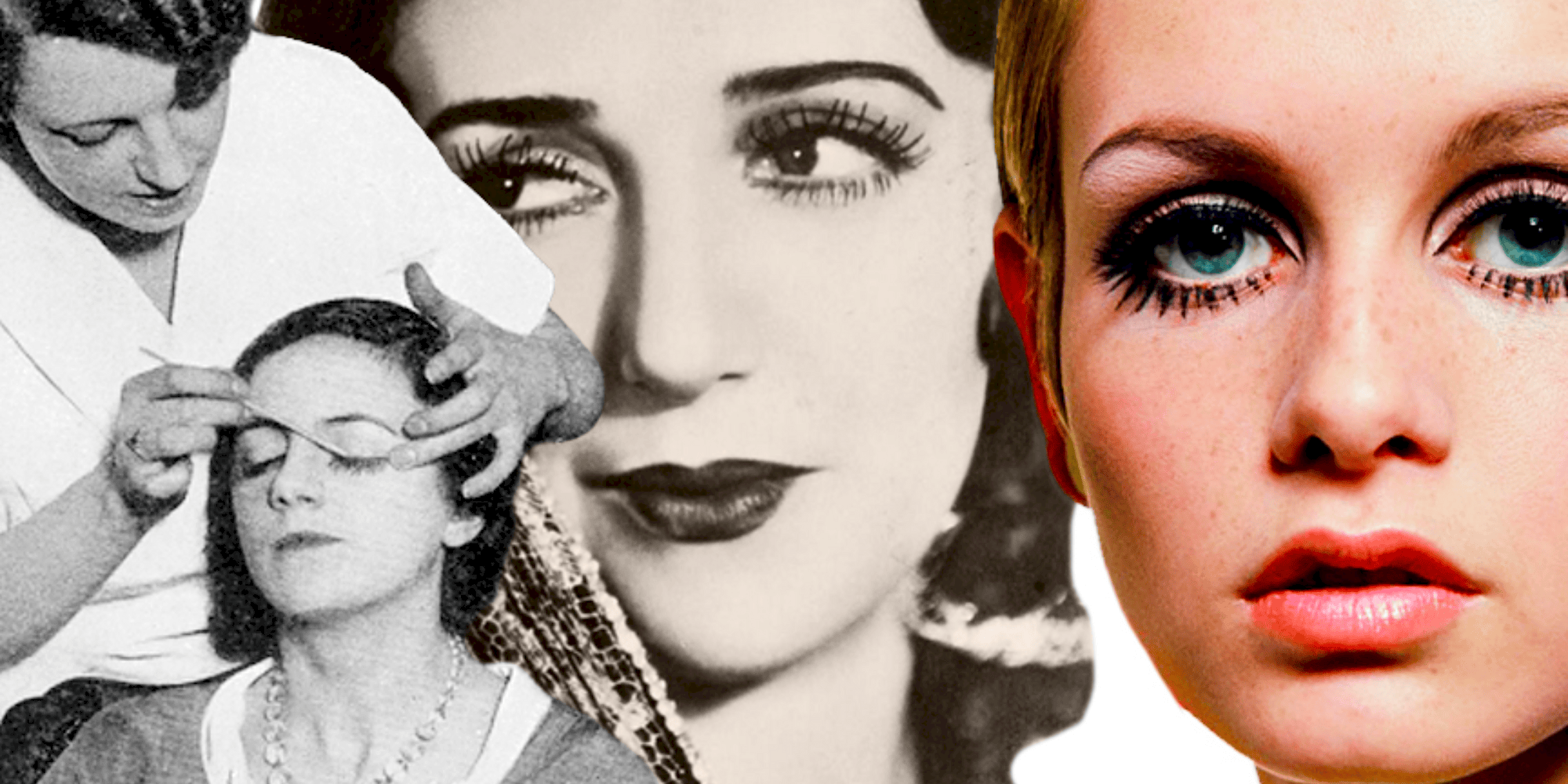
Today, people want more than just a temporary fix—they want lashes that are real, lasting, and effortless. That’s where eyelash transplants come in.
Eyelash Hair Insights
Eyelashes may be small, but they’re complex—and uniquely different from scalp hair.
How Many Eyelashes Do We Have?
- The upper eyelid typically holds 90 to 160 lashes, arranged in 5 to 6 rows
- The lower eyelid carries about 75 to 80 lashes, spread across 3 to 4 rows
These lashes work together to protect the eyes and frame your face.
Lash Color, Length & Growth
- Eyelash color often differs slightly from the hair on your head
- Lashes in the center of your eyelid tend to grow longer than those on the sides
- On average, lashes grow at a rate of 0.12–0.14 mm per day, reaching a max length of 8 to 12 mm
Unlike scalp hair, each lash has a short growth cycle—only 30 to 45 days—which is why they stay short and fall out more frequently.
Do Eyelashes Thin With Age?
Yes. A study by Glaser et al. found that with age, lashes often become thinner, shorter, and lighter in color. It’s a normal part of aging, much like changes in skin and scalp hair.
What Eyelash Transplant Surgery Can and Can’t Do
It’s important to know that an eyelash transplant is designed to restore lashes where they’re missing, not to make existing lashes thicker or longer.
If you’ve lost lashes due to trauma, over-plucking, or a medical condition, this procedure can fill in gaps and bring back definition to your eyes. But if you’re simply looking to boost naturally thin lashes, this may not be the right fit.
Latisse® for Eyelash Thinning
Grow Longer, Fuller, Darker Lashes—Clinically Proven
If your lashes are thinning or sparse, Latisse® (Bimatoprost) may be a simple, effective way to boost length, fullness, and color. Originally developed as a glaucoma medication, this treatment was FDA-approved in 2008 after researchers noticed that patients using Bimatoprost grew longer, darker eyelashes as a side effect.
How It Works
Latisse® extends the anagen (growth) phase of your natural lash cycle. It does two things:
- Stimulates hair follicles along the lash line
- Increases the number of lashes growing at once
The result? Lashes that look naturally thicker, longer, and darker—with no mascara or extensions.
How to Apply
- Use once daily, typically at night
- Apply a thin line along the upper lash line using a sterile applicator
- Do not apply to the lower lash line, as the product can spread when blinking
- Avoid spreading the product to other areas of the face (it can stimulate hair growth wherever it touches)
When to Expect Results
- Noticeable improvement in 4 to 8 weeks
- Full results in 12 to 16 weeks
- Ongoing use is required to maintain results—if you stop, lashes will gradually return to their original appearance
Proven Effectiveness
Clinical trials show that:
- 78% of users saw a noticeable improvement in lash length, thickness, and darkness
- Lashes grew up to 25% longer, 106% fuller, and 18% darker with consistent use over 16 weeks
Side Effects
Most users tolerate Latisse® well, but about 4% may experience:
- Mild itching or redness
- Darkening of the skin around the lash line (usually reversible)
- Rare risk of iris color change (more common with high-dose glaucoma use—not as common in cosmetic use, but still a risk)
Causes of Eyelash Hair Loss
Understanding Why Your Lashes May Be Thinning or Falling Out
Just like the hair on your head, eyelashes can thin or fall out due to a wide range of causes. Some people are born without full lashes, while others experience loss over time from aging, health issues, or even beauty treatments. In many cases, lashes don’t grow back if the root cause isn’t addressed.
Here are the most frequent causes of lash thinning or loss:
Trauma, Burns, or Surgery
Injuries to the eyelid area—like burns, scars, or previous surgeries—can permanently damage hair follicles, preventing lash regrowth.
Hormonal Shifts
Pregnancy, menopause, thyroid issues (like hypothyroidism), or other hormonal imbalances can interfere with normal hair cycles, including lash growth.
Skin Conditions Affecting the Eyelids
Conditions like eczema, psoriasis, seborrheic dermatitis (blepharitis), or contact dermatitis can inflame the eyelid margin and damage hair follicles.
Infections
Bacterial and viral infections, or mites can disrupt the health of lash follicles, especially if left untreated.
Nutritional Deficiencies
Lashes need a steady supply of nutrients to grow. Deficiencies in the following may lead to thinning:
- Protein
- Vitamins A, B, C, D, and E
- Iron
- Zinc
- Omega-3 and omega-6 fatty acids
Medication Side Effects
Certain drugs are known to cause lash shedding. These include:
- Chemotherapy – targets fast-growing cells, including hair follicles
- Thyroid medications
- Blood pressure meds – propranolol, atenolol, clonidine
- Cholesterol-lowering drugs
- Blood thinners
- Antidepressants and mood stabilizers – Prozac, lithium, amitriptyline, Haldol
- Anti-seizure meds – phenytoin, valproic acid
- Accutane (a vitamin A derivative)
Radiation Therapy
Radiation near the face can cause localized hair loss, including lashes, especially if hair follicles are damaged.
Autoimmune Disorders
Your immune system may mistakenly attack healthy hair follicles. Common conditions include:
- Alopecia areata
- Frontal fibrosing alopecia (FFA)
- Discoid lupus erythematosus
- Scleroderma
Psychological & Behavioral Causes
Trichotillomania is a behavioral disorder that causes an uncontrollable urge to pull out lashes, brows, or scalp hair, often leading to permanent loss over time.
Cosmetic Habits
Overuse of eyelash extensions, curlers, or harsh makeup removers can lead to traction alopecia, where repeated tension weakens and eventually destroys the follicle.
Eyelash Extensions
A Beauty Trend with Real Risks for Natural Lash Health
Eyelash extensions have come a long way since their debut in the early 1900s. The first false lashes were patented in 1911 by Canadian inventor Anna Taylor, using human hair. But they gained true popularity in 1916, when film director D.W. Griffith used them on actress Seena Owen in Intolerance to give her eyes a more dramatic look.
In the 1950s and ’60s, icons like Twiggy made bold, fluttery lashes a fashion staple. Fast forward to today, and eyelash extensions are a regular part of beauty routines around the world, available in everything from synthetic fibers to mink.
But while they’re popular and generally safe when applied correctly, overuse can lead to real damage—including permanent eyelash loss.
How Eyelash Extensions Can Harm Natural Lashes
Wearing extensions occasionally is unlikely to cause long-term harm. However, repeated or improper use can lead to:
- Traction alopecia – Constant pulling on the lash line can cause follicles to weaken or stop producing hair altogether
- Irritation and infection – Extensions can trap bacteria and debris at the lash line
- Contact dermatitis – Some glues contain allergens that can inflame the eyelids
The Glue Matters: What You Should Know
Eyelash glue isn’t one-size-fits-all. Here’s a breakdown of common types and their risks:
- Cyanoacrylate-based glue – Strong bonding agent used in most adhesives. Can irritate sensitive eyes
- Formaldehyde-containing glue – A known allergen and irritant. Avoid when possible
- Latex-based glue – Adds flexibility but should be avoided by those with latex allergies
- Hypoallergenic glue – Best choice for sensitive eyes. Contains fewer chemicals and reduces the risk of a reaction
Tip: Always ask your lash technician what kind of glue they use. Opt for formaldehyde-free and hypoallergenic options if you’ve had any skin or eye sensitivity in the past.
Will My Lashes Grow Back?
If the damage is mild or recent, your natural lashes often start to regrow in 6 to 12 months once extensions are stopped and irritation is managed. But if repeated tension or inflammation has scarred the follicles, regrowth may not occur—especially in cases of long-term traction alopecia.
Bottom Line
If you’re noticing lash thinning or patchy lash loss, it’s important to identify the underlying cause before choosing a treatment. In many cases, addressing the root issue can help preserve or restore natural lash growth.
Eyelash Hair Transplant Surgery
Restoring Lashes with Precision and Modern Microsurgery
Eyelash hair transplant surgery is a specialized procedure designed to restore or enhance natural lashes using your own hair. Whether you’re experiencing lash loss due to trauma, medical conditions, or cosmetic damage, this surgery can offer a permanent, natural-looking solution.
A Brief History of Eyelash Transplants
The idea of eyelash transplantation dates back to 1882, when German physician Dr. Franz Krusius performed one of the earliest documented attempts. Though primitive, it laid the groundwork for future developments.
In 1967, Brazilian physician Dr. Marcelo Gandelman advanced the field with improved techniques that made the procedure safer and more effective. These milestones helped shape the modern microsurgical methods we use today.
How It Works
Modern eyelash transplantation involves:
- Harvesting fine hairs (usually from the scalp or neck)
- Meticulously implanting them along the eyelid using microsurgical tools
- Ensuring the direction, angle, and curl of each hair mimics natural eyelash growth
The goal is to achieve full, soft lashes that look and feel completely natural.
Diagnosing Eyelash Hair Loss
Before considering surgery, it’s important to understand why eyelash loss is happening. Diagnosis typically includes:
- Medical history review: To uncover potential triggers like medications, cosmetic use, or systemic illness
- Physical exam: To evaluate the lash line, skin health, and hair distribution
- Blood tests: May be recommended to check for thyroid imbalances, autoimmune disorders, or nutritional deficiencies
Uncovering the root cause helps determine whether transplant surgery is the right choice—or if medical or cosmetic alternatives like Latisse® may be more appropriate initially.
Who’s a Good Candidate for Eyelash Hair Transplant Surgery?
Not everyone who wants fuller lashes needs surgery. In fact, we often recommend starting with a prescription trial of Latisse®, a topical medication that helps lashes grow longer and thicker. But for patients with little to no eyelashes, eyelash transplant surgery may be the right next step.
Ideal Candidates
You may be a great candidate if you:
- Have no or minimal natural eyelashes due to trauma, genetics, or medical conditions
- Those with straight or slightly wavy hair—which typically yields the most natural-looking lash results
- Are in good general health with no major underlying medical issues
Who May Not Be a Candidate
Eyelash transplant surgery isn’t right for everyone. You may not qualify if you have:
- Thinning lashes but not total lash loss
- Very curly hair may not be good candidates. Tight curls can lead to lashes growing in odd directions or poking the eye, even after training
- Active eye disorders, like dry eye syndrome or recent infections
- Untreated thyroid or autoimmune conditions (these must be managed first)
- Scarring along the eyelid margin, such as from upper eyelid surgery (blepharoplasty)
- Ongoing skin issues like seborrheic dermatitis, eczema, or psoriasis near the eye
- Scarring alopecias, such as frontal fibrosing alopecia (FFA)
- Autoimmune hair loss, like alopecia areata, which may not respond well to surgery
- Nutritional deficiencies, poor circulation, or habits like smoking that impair healing
- Tendency to form keloid scars or history of poor wound healing
- Psychological conditions like:
- Trichotillomania (compulsive lash pulling)
- Body dysmorphic disorder (BDD), which can lead to dissatisfaction with surgical results
- Unrealistic expectations about how dense (full) lashes will look post-procedure
Why Consultation Matters
The best way to know if you’re a candidate? Book a personalized consultation. During your visit, we’ll:
- Examine your lash line and donor area
- Review your medical history
- Discuss your goals and what’s realistically achievable
A skilled, honest surgeon will help you decide whether eyelash transplantation is the safest and most effective choice—or if another option might be better suited to your needs.
Hair Graft Assessment: Understanding Eyelash Variations
Not all eyelashes are the same. Factors like gender, ethnicity, and genetics influence how eyelashes grow—impacting everything from length and thickness to density and curl. These natural differences are important when assessing which donor hairs will create the most natural and flattering results in eyelash transplant surgery.
Gender Differences in Eyelashes
- Men tend to have slightly longer and thicker lashes, often due to higher levels of androgens like testosterone
- Women may have denser-appearing lashes, largely influenced by regular grooming, makeup use, and beauty habits
Ethnic Variations in Eyelash Growth
Different ethnic backgrounds produce unique lash characteristics, all of which play a role in how we select and place grafts for your transplant:
| Caucasian | Lashes: Long, straight, and moderately thick Rows: Typically 5 to 6 rows Count: Around 100 to 150 lashes on the upper lid |
| East Asian | Lashes: Shorter, thicker, and straighter Rows: Fewer, often 3 to 4 rows Count: Around 80 to 120 lashes on the upper lid |
| African American | Lashes: Longer, more curled, and denser Curl: Naturally prominent upward curl Count: Around 120 to 160 lashes on the upper lid |
| Latino and South Asian | Lashes: A blend of features, often medium in length and curl Density and shape: Highly individualized based on genetic variation |
Why This Matters
Matching donor hair to your natural eyelash profile is critical. The goal is always natural-looking lashes that blend seamlessly with your features. That’s why we carefully evaluate:
- Your lash angle and curl
- The direction of natural lash growth
- The thickness and texture of your donor hair
A personalized approach ensures your final results enhance—not overpower—your natural eye shape and facial balance.
Eyelash Transplant Surgery Planning
Eyelash transplant surgery is both an art and a science. The goal isn’t just to replace missing lashes—it’s to recreate natural-looking lashes that grow at the correct angle, direction, and spacing, while avoiding complications.
How Many Eyelashes Are Transplanted?
The number of hairs transplanted varies from 10 to 60 lashes per eye, depending on:
- The extent of eyelash loss
- Your desired fullness and style
- The shape and size of your eyelid margin
Unlike scalp or eyebrow procedures, tight packing of hairs isn’t possible or safe for eyelash restoration.
Why Eyelash Grafts Aren’t Densely Packed
There are a few important reasons why careful spacing matters:
- Limited Real Estate: The eyelid margin is narrow and delicate. Trying to squeeze in too many grafts can compromise the surrounding skin tissue
- Blood Supply Matters: Overpacking can disrupt circulation, which is vital for the grafts to survive and grow. Poor blood flow increases the risk of graft failure
- A Natural Look: Eyelashes naturally grow in rows with space between them. Overcrowding creates a clumpy, unnatural appearance that draws unwanted attention
Why We Focus on the Upper Eyelid
Most eyelash transplants are done on the upper eyelids only—and here’s why:
- More Function: Upper lashes serve as the first line of defense for your eyes, keeping out dust, sweat, and debris
- More Aesthetic Impact: Upper lashes are more visible and define the eyes. Full upper lashes brighten your appearance and enhance facial balance
- Fewer Risks: The lower eyelids are more prone to complications like inward-growing hairs, irritation, and infection. For that reason, lower lid transplantation is rarely recommended
Will I Need More Than One Procedure?
Possibly. Some patients need a second session to achieve their desired fullness or to refine results. This depends on:
- How your body responds to the first procedure
- The quality of your donor hair
- The spacing and placement of your initial grafts
Every eyelash transplant plan is personalized to your needs, with the goal of creating lashes that look and feel completely natural.
Eyelash Hair Transplant Surgery: What to Expect (FUT Technique)
Eyelash transplant surgery using the Follicular Unit Transplantation (FUT) technique is a safe and effective way to restore natural-looking lashes using your own hair. Here’s a breakdown of how it works—from consultation to recovery—so you know exactly what to expect.
Personalized Consultation
Every eyelash transplant starts with a private, one-on-one consultation. During this visit, Dr. Yaker will:
- Review your medical history and blood work
- Assess the cause and severity of eyelash loss
- Evaluate your donor hair (typically from the back or sides of the scalp)
- Discuss design goals, expectations, and treatment options
This step helps determine if you’re a good candidate and ensures your goals align with what the procedure can realistically deliver.
Donor Area Preparation
The donor area—usually the back of your scalp—is cleaned and numbed with a local anesthetic. This is similar to what you’d experience at the dentist. You’ll also have the option of oral sedatives or nitrous oxide to help you relax. You can even watch TV or listen to music during the procedure.
Donor Hair Removal (FUT Technique)
FUT has been the gold standard for eyelash transplants since the 1990s.
Here’s how it works:
- A small strip of hair-bearing skin is removed from the donor area (about 2–3 cm long and less than 1 cm wide)
- The area is closed with fine stitches, which are typically hidden by your hair
- Stitches are removed in 10–14 days
- The resulting scar is a thin, linear line—usually 1–2 mm wide—and can easily be concealed, even with hair as short as half an inch
Hair Follicle Inspection and Prep
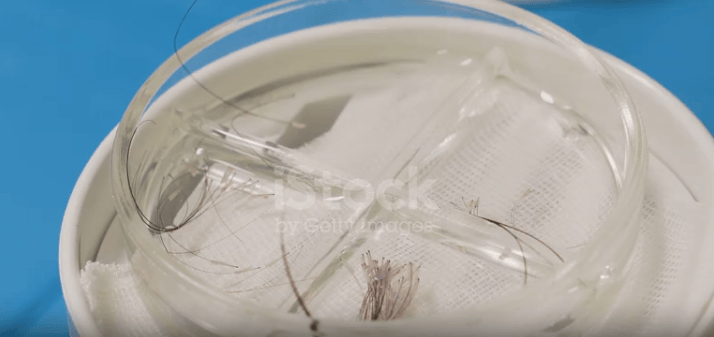
After removal, each single-hair follicle is carefully trimmed and examined under a microscope to ensure only the healthiest grafts are used. The hair follicles are then stored in chilled saline to preserve their viability.
Creating the Recipient Sites
Using a curved French eye needle, Dr. Yaker will make tiny, precise incisions along the upper eyelid margin. This step controls the:
- Direction
- Angle
- Curl
- Spacing
Each graft is carefully placed to match your natural lash pattern. Once inserted, the hairs are trimmed to the appropriate length.
How Long Does It Take?
The entire procedure typically takes 2 to 4 hours, depending on the number of lashes being transplanted and the complexity of the case.
Eyelash Hair Transplant Recovery & Maintenance
What to Expect After Surgery
The healing process after eyelash transplant surgery is straightforward, but knowing what to expect helps ensure the best results.
Week 1:
- Tiny scabs will form around each transplanted hair. These typically fall off within 7 days
- You’ll receive protective goggles to wear while sleeping during the first few nights to avoid disturbing the hair grafts
Shedding Phase:
- After the scabs fall off, about 90% of the transplanted hairs will shed. This is totally normal
- Remember, it’s the hair follicles (roots) that matter—once they’re embedded, they’ll begin producing new lashes over the next few months
Growth Timeline:
- 3 to 4 months: New lashes begin to grow in. You’ll see about 25% of the final result
- 6 months: Expect around 40–60% of your lashes to have grown
- 12 months: Full results, including length, density, and natural lash direction
Comfort & Healing
Pain and swelling are usually minimal, but every patient is different.
- Some people feel mild tenderness in the donor area, which is manageable with over-the-counter pain relief
- Swelling, bruising, itching, and redness may occur around the eyes. These are normal and temporary
Back to Normal Life
- 7–10 days: You can trim your new lashes and resume gentle skincare around the eyes
- 1 week: You’re safe to use eye makeup, including mascara
- 10–14 days: Most patients return to full activity, including exercise, with no restrictions
Maintaining Your New Lashes
Keep Them Looking Natural
Because transplanted lashes come from scalp hair, they grow faster and straighter than natural eyelashes. A little upkeep goes a long way:
- Trim regularly: Expect to trim your lashes every few weeks to keep them at a natural length
- Curl as needed: Transplanted lashes don’t have the same curl. You may need to:
- Use an eyelash curler and lash oil
- Get a lash perm (especially helpful for straight hair types)
- Train the curl: Without styling, lashes may grow downward or inward, which can irritate the eye.
Once your lashes are fully grown in, you can shampoo, tint, and style them just like natural lashes
Eyelash Hair Graft Survival Rates
What You Can Expect
Most patients can expect a follicle survival rate of 75% to 90% after eyelash transplant surgery. That means the majority of transplanted hairs will successfully grow, providing natural-looking, long-term results.
However, some factors can affect graft survival:
- Burn injuries or scarring: When the skin is significantly damaged, blood supply to the area may be compromised, making it harder for new follicles to thrive
- Poor surgical technique: Transplant success heavily depends on how carefully the hair follicles are handled and implanted
- Improper aftercare: Following post-op instructions is critical to protecting your investment and promoting healing
Why Do Eyelash Transplants Fail?
The most common reason? Choosing the wrong clinic.
- Surgeries performed by inexperienced or unlicensed providers often lead to poor outcomes. That includes unnatural lash direction, poor growth, and even complications like infection or scarring
- Eyelash transplants are a precision surgery, requiring both artistic skill and medical expertise. It’s not just about placing hair—it’s about mimicking the subtle angle, curve, and spacing of natural lashes
Eyelash Transplant Cost
What’s the Investment?
The cost of eyelash hair transplant surgery at our center is $6,500.
If you’re used to wearing eyelash extensions regularly, you’re likely spending:
- $1,500–$2,000 per year
- That adds up over time—without offering a permanent solution.
An eyelash transplant is an investment in your own natural, growing lashes—no glue, no maintenance visits, and no hassle with extensions.
Why Your Choice of Surgeon Matters
Getting the surgery is only half the equation—who performs it makes all the difference.
- When done right, your results should be so natural that no one notices you had a procedure at all
- Dr. Yaker’s artistic approach, meticulous technique, and deep experience in FUT hair restoration ensure lashes that look, feel, and grow like your own
Want to see what’s possible? Click here to view real before-and-after photos from patients who’ve undergone successful eyelash restoration with Dr. Yaker.