
At YAKER Hair Restoration, we believe in using your body’s own healing powers to support hair growth—and platelets play a central role. Precision PRP™ (Platelet Rich Plasma) Therapy harnesses these powerful cells to stimulate and support natural hair regrowth. But what exactly are platelets, and why are they so important?
What Are Platelets?
Tiny but Mighty Healing Cells
Platelets are tiny blood cells made in your bone marrow—the soft, spongy tissue inside your bones. They’re one of the main parts of your blood, along with red and white blood cells and plasma.
Their main jobs?
- Help stop bleeding when you get injured
- Trigger your body’s natural healing process
- Support your immune system by helping defend against illness
How Your Body Manages Platelets
Your body is constantly making new platelets to keep up with demand. Once released into your bloodstream, platelets live for about 7 to 10 days, then are broken down by your spleen or liver.
A hormone called thrombopoietin, mainly made by your liver, tells your bone marrow when to make more platelets—kind of like a thermostat for your blood.
What Happens When Platelet Counts Are Too Low?
A normal adult platelet count ranges between 150,000 to 450,000 per microliter of blood. If your levels fall below 150,000, it’s called thrombocytopenia, and it may be caused by:
- Certain cancers
- Infections
- Blood thinners or chemotherapy
- Autoimmune diseases
- Excessive alcohol use
Low platelets can lead to:
- Easy bruising
- Longer bleeding after cuts
- Risk of internal or uncontrolled bleeding in severe cases
What If Your Platelet Count Is Too High?
A count above 450,000 is called thrombocytosis. This may happen due to:
- Recent blood loss
- Iron deficiency
- Certain types of cancer
- If you’ve had your spleen removed
High platelet levels can increase your risk of blood clots, which can lead to serious issues like stroke or heart attack.
Natural Fluctuations Are Normal
Platelet levels can shift slightly throughout the day and may vary based on:
- Sex, age, and ethnicity
- Hormonal changes – like pregnancy or menstruation
- Your body’s needs – if you’re healing from an injury, for example
Why It Matters for PRP Therapy
In PRP Therapy, we use your own blood, spin it in a centrifuge, and concentrate the platelets to create a treatment packed with growth factors. These platelets are then carefully injected into areas of thinning hair to re-activate hair follicles and improve scalp health.
Because we’re using your body’s own natural resources, understanding your platelet levels helps us tailor the treatment to be as safe and effective as possible.
The History and Power of Platelet Rich Plasma (PRP) Therapy
Harnessing Your Body’s Natural Healing Power
Platelet Rich Plasma, or PRP, is one of the most exciting developments in regenerative medicine—and it’s all made from something you already have: your own blood.
What Is Plasma, and Why Does It Matter?
Plasma makes up about 55% of your blood. It’s a yellowish, protein-rich liquid that:
- Carries nutrients throughout your body
- Supports your immune system
- Keeps your blood pressure stable
But plasma isn’t just a delivery system—it’s also a powerful tool in medicine. Every year, plasma-based therapies help around 50,000 Americans with serious health conditions like bleeding disorders, immune deficiencies, trauma injuries, and rare diseases.
The Origins of PRP Therapy
PRP has been used in medicine for over five decades. It first emerged in the 1970s in oral and dental surgeries to help improve healing. By the 1980s and 1990s, it gained popularity in orthopedic and sports medicine for treating:
- Tendon injuries
- Joint problems
- Post-surgical recovery
Where PRP Is Used Today
Today, PRP has expanded into many areas of medicine.
PRP is now used across a wide range of medical specialties, including:
- Orthopedics & Sports Medicine – Healing joints, tendons, ligaments, and managing arthritis
- Dermatology & Aesthetics – Hair restoration, skin tightening, scar treatment
- Plastic Surgery – Enhancing fat graft survival and wound healing
- Oral & Maxillofacial Surgery – Improving bone graft and soft tissue outcomes
- Gynecology & Urology – Supporting pelvic floor health and sexual wellness
- Wound Care & Cardiovascular Research – Exploring healing for chronic wounds and heart repair
How PRP Therapy Works
PRP is made by drawing a small amount of your blood, spinning it in a centrifuge, and separating out the platelets—tiny cells packed with growth factors. The concentrated platelets are then injected into areas needing repair or stimulation.
PRP helps to:
- Promote healing
- Reduce inflammation
- Stimulate tissue regeneration
It’s completely natural, minimally invasive, and uses your body’s own resources to help restore balance and function to your hair.
Is PRP FDA-Approved?
- The FDA first approved PRP preparation methods in 2009
- PRP is FDA-approved for specific uses, like bone grafting and diabetic ulcers
- For other uses (like hair restoration or aesthetics), PRP is not “approved” but is FDA-cleared—which means it can be safely used at a provider’s discretion
Because PRP is made from your own blood and not classified as a drug, doctors can offer it if they believe it benefits your condition. However, because it’s not fully FDA-approved for every use, insurance typically doesn’t cover it.
Why Patients Choose PRP
- 100% natural—made from your own blood
- Minimally invasive with little to no downtime
- Helps reduce pain and inflammation
- Speeds up healing and enhances tissue repair
- Safe, versatile, and used across many fields of medicine
How PRP Helps with Hair Loss
A Natural Boost for Thinning Hair
Think of PRP as a “supercharged” part of your blood. It contains:
- Over 800 proteins
- 20+ growth factors that help with healing and cell growth
- Exosomes
Some of the most important ones include:
- PDGF (Platelet-Derived Growth Factor) – Helps new tissue grow
- VEGF (Vascular Endothelial Growth Factor) – Encourages new blood vessel formation
- TGF-β1 (Transforming Growth Factor) – Aids in cell repair and remodeling
- IGF (Insulin-Like Growth Factor) – Supports hair follicle health and growth
Together, these create the ideal environment for repairing damaged hair follicles and promoting new growth.
What Are Exosomes—and Why Do They Matter in PRP?
Tiny Messengers That Help Heal and Regrow Hair
Exosomes are microscopic particles naturally released by cells. Think of them like text messages between cells—they carry important instructions in the form of proteins, growth factors, and genetic material to help tissues heal, grow, and function better.
Exosomes in PRP: Nature’s Built-In Boost
When we prepare Platelet Rich Plasma (PRP) from your blood, exosomes are naturally released by the platelets during the process. These tiny messengers add powerful regenerative properties to the treatment.
- PRP contains billions of exosomes per milliliter—usually between 2 to 5 billion
- The exact number depends on the preparation technique and your body’s own platelet count
Why They Matter for Hair Growth
Exosomes enhance the effects of PRP by:
- Sending healing signals to nearby cells
- Reducing inflammation in the scalp
- Stimulating hair follicles to grow stronger, thicker hair
- Promoting tissue repair for overall scalp health
This makes PRP even more effective for treating hair loss and improving skin quality.
Why Platelet Concentration Matters
To get the best results from PRP, the concentration of platelets needs to be just right—not too low and not too high.
- A landmark study found that 1.5 million platelets per microliter is the sweet spot to stimulate new blood vessels around hair follicles
- This improved blood flow brings in more oxygen and nutrients, which helps rejuvenate thinning hair
- Interestingly, too many platelets can actually make the treatment less effective, so precision matters
Timing Is Key
Once PRP is activated:
- 95% of the growth factors are released within the first hour 1,2
- The platelets stay active for 7 to 10 days, releasing healing signals during that time
That’s why PRP should be used within 10 minutes of activation—to ensure it’s delivering the full benefit while platelets are at their most active.
How PRP Helps with Genetic Hair Loss (Androgenetic Alopecia)
A natural, science-backed option for thinning hair
Whatt the Research Says
Multiple clinical studies3,4,5,6,7,8,9,10,11 have shown that PRP can:
- Thicken existing hair
- Speed up hair growth
- Increase overall hair density
- Improve scalp health
In fact, a large meta-analysis of 10 clinical trials found that PRP significantly improved hair density in people with AGA. Results tended to be more noticeable in men, possibly because they often start with more severe thinning—so the improvement is easier to see.
PRP vs. Minoxidil: Which Works Better?
Several studies suggest PRP may work better than minoxidil alone, offering more visible results and higher satisfaction for patients.12,13
Better Together: PRP + Minoxidil
When combined with minoxidil, PRP has shown even better results than using minoxidil by itself. This combination helps stimulate hair growth from multiple angles, giving patients a more powerful boost.14,15,16,17
Is PRP a Cure?
While PRP is effective—especially in mild to moderate hair loss—it’s not a permanent cure or a solution for complete baldness. Think of it as part of a long-term maintenance plan.
- Repeat sessions may be needed to maintain results
- Works best when combined with other proven treatments like finasteride and minoxidil
How PRP Helps with Other Types of Hair Loss
A natural boost for many different hair loss conditions
Platelet Rich Plasma (PRP) therapy isn’t just for genetic hair loss—it’s also showing promise for several other forms of hair thinning and shedding. By using your body’s own healing platelets, PRP supports hair follicles, reduces inflammation, and encourages healthy regrowth.
Telogen Effluvium: Stress-related shedding
This type of temporary hair loss is often triggered by things like illness, surgery, childbirth, or emotional stress. PRP can help by: 18,19,20
- Nudging hair follicles out of the resting phase
- Encouraging them to re-enter the growth phase
- Slowing down excessive shedding
Alopecia Areata: Patchy hair loss from an overactive immune system
This autoimmune condition causes the body to mistakenly attack hair follicles, leading to sudden bald patches. PRP may help by: 21,22,23,24,25,26,27
- Reducing inflammation around the follicles
- Supporting tissue repair
- Stimulating regrowth in areas affected by flare-ups
Traction Alopecia: Hair loss from tight hairstyles
Hairstyles that pull tightly on the scalp (like braids, ponytails, or extensions) can cause gradual damage to hair follicles. PRP may help in early or moderate stages by: 28,29
- Strengthening weakened follicles
- Encouraging regrowth—but only if the pulling stops
Scarring Alopecia: Hair loss caused by inflammation and scarring
In conditions like frontal fibrosing alopecia (FFA), lichen planopilaris (LPP), and central centrifugal cicatricial alopecia (CCCA), inflammation leads to permanent follicle damage over time. While research is still evolving, small studies and case reports suggest PRP may: 30,31,32,33,34,35
- Help reduce inflammation
- Support remaining follicles
- Slow the progression in select cases
How PRP Enhances Hair Transplant Results
A natural boost for better healing and hair growth
Adding Platelet Rich Plasma (PRP) therapy to your hair transplant isn’t just an upgrade—it’s a game changer. PRP uses your body’s own healing platelets to improve graft survival, speed up healing, and promote stronger, thicker regrowth.
Better Graft Survival and Growth
In multiple studies, PRP has been shown to increase the success of transplanted hair:
- 15% higher survival rate when donor hairs were soaked in PRP compared to saline 36
- 93.3% graft survival in the PRP group vs. 76.6% in the non-PRP group after one year 37
- Less shedding and stronger, faster regrowth in patients who received PRP during surgery 38
Faster Healing, Less Downtime
PRP helps calm the scalp after surgery by reducing inflammation and speeding up tissue repair:
- Redness in the transplant area faded faster—often gone by 3 months
- Patients reported less itching, flaking, and overall discomfort
- Skin healed quicker, allowing hair to grow in sooner
Early Results and Higher Satisfaction
PRP-treated patients saw visible improvements sooner:
- 75%+ new hair growth within 6 months 39
- Some noticed new hair as early as 8 weeks post-op 40
- Patients were more satisfied with their results compared to those who didn’t receive PRP 41,42
Why PRP Results Can Vary from Person to Person
Understanding what affects the outcome
PRP (Platelet Rich Plasma) therapy is a natural, powerful option for treating hair loss—but not all PRP is created equal. One of the biggest reasons people see different results comes down to how PRP is made and delivered. There’s no universal standard, so everything from how your blood is processed to how it’s injected can affect the outcome.
What Affects PRP Effectiveness?
Here are the key factors that can make a big difference:
1. No Set Standard Across Clinics
Every clinic has its own method for preparing and applying PRP. Different tools and protocols mean results can vary widely.
2. Your Own Blood Counts
Everyone has a different platelet level. Since PRP relies on your platelets to work, this baseline matters.
3. Platelet Concentration
Too few platelets? Not effective. Too many? Also not ideal. Research shows a “sweet spot” for concentration is key for success.
4. How the Blood is Spun (Centrifugation)
A double-spin method produces PRP that’s richer in growth factors and removes unwanted cells like red and white blood cells, which can cause inflammation. This makes the PRP cleaner and more effective.43
5. How PRP is Activated
Before use, PRP may be “activated” using substances like calcium chloride or thrombin. The activator used can affect how fast and how much growth factor is released.
6. How It’s Injected
Where and how deep PRP is injected matters. Volume, depth, and spacing all play a role in how well the treatment works.
7. Your Body’s Condition
Age, health, hydration, smoking, alcohol use, and underlying conditions such as diabetes can all influence how your body responds to PRP.
8. Number of Sessions and Timing
PRP works best when done in a proper series. Minimal treatments, skipping sessions or spreading them too far apart can reduce effectiveness.
9. What You Do After Treatment
Following aftercare instructions—like avoiding anti-inflammatories or heavy exercise—can improve results and reduce side effects.
The Takeaway
PRP is a versatile treatment with growing evidence behind its use in different types of hair loss. While it’s not a cure, it can be a valuable tool—especially when started early and combined with other medical therapies tailored to your specific condition.
The YAKER Precision PRP™ Advantage
Not all PRP is created equal—and here’s why ours stands out.
When it comes to PRP (Platelet Rich Plasma) therapy, one size does not fit all. Your body’s platelet levels naturally vary from person to person—and even from week to week. Since PRP relies on your platelets to stimulate hair growth, starting with the right amount is critical for getting the best results.
But here’s the problem.
Most PRP systems don’t measure your platelet count before treatment. So, if your levels are low that day, you may end up getting a weaker treatment without even knowing it.
What Makes Precision PRP™ Different?
At YAKER, we take a smarter, more personalized approach.
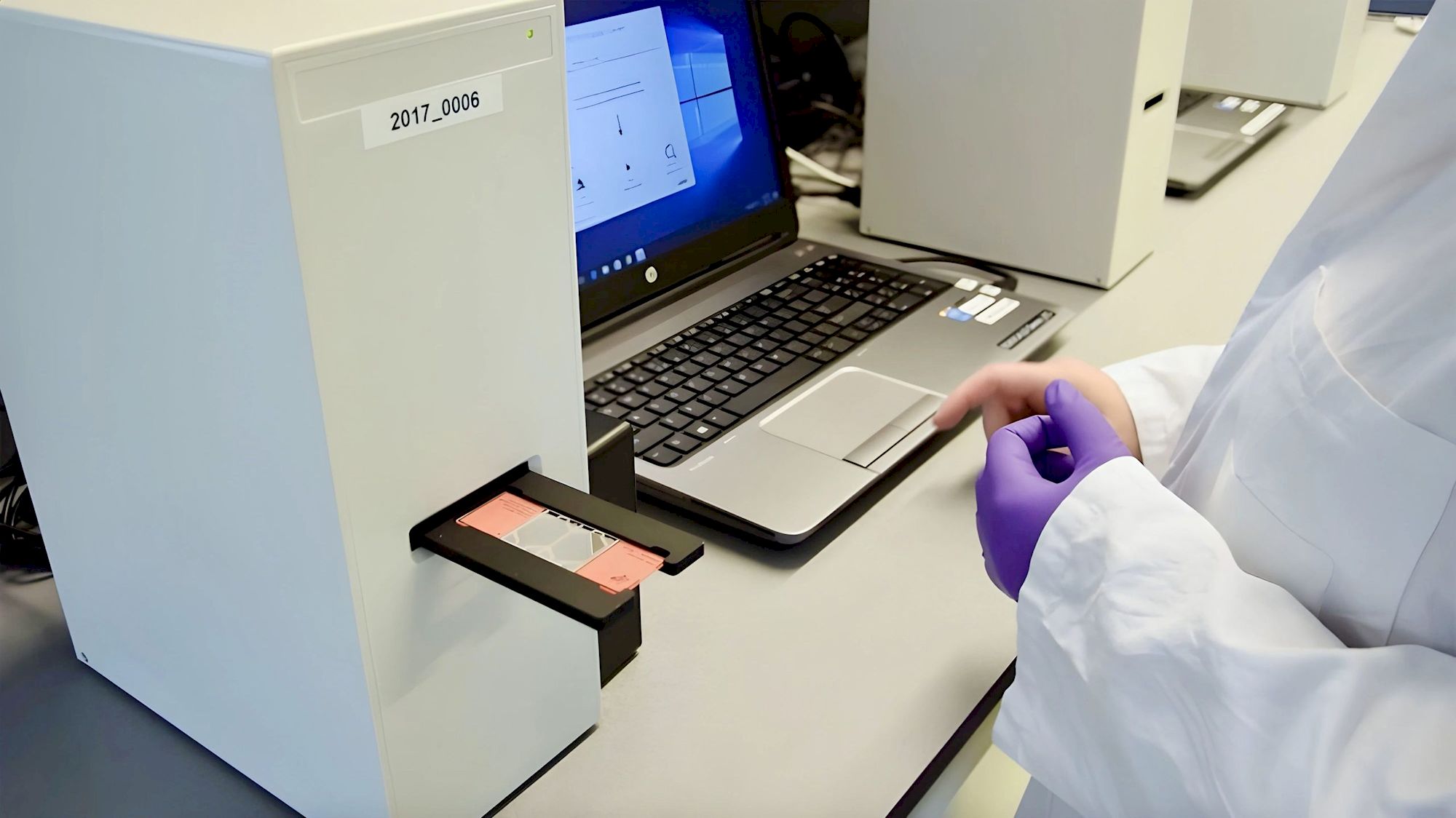
We Measure First
Before each treatment, we check your exact platelet count using advanced cell analysis software (see image below). This tells us how much blood to draw to get the ideal PRP concentration just for you.
We Double-Spin for Maximum Purity
We process your blood using a double-spin technique, which removes unwanted cells and super-concentrates your platelets.
We Measure After
Once your PRP is prepared, we use the same advanced cell analysis software to measure its exact concentration. This helps us confirm the strength of your PRP and ensures we’re delivering the most effective treatment possible.
No guesswork. Your PRP is customized based on your unique biology—every time.
Why It Matters
In a side-by-side comparison under a digital microscope, our Precision PRP™ samples (shown as dense red dots) clearly show higher platelet concentrations than samples from traditional systems. And that’s the key—the more precise the concentration, the more effective the treatment.


What to Expect: Precision PRP™ Treatment Steps
Each Precision PRP™ session takes about 45 minutes and is done comfortably right in our office. Here’s a step-by-step look at what happens:
Step 1: Platelet Check
We start with a quick finger prick to check your real-time platelet levels, which helps us customize your treatment.
Step 2: Blood Draw & Processing
We draw a small amount of your blood and spin it twice in a centrifuge. This double-spin process separates and concentrates your platelets, making the treatment more effective.
Step 3: Numbing the Scalp
While your PRP is being prepared, we cleanse your scalp and apply a local anesthetic to keep you comfortable. We can offer nitrous oxide (laughing gas) to help you relax during treatment—and it’s safe enough that you can still drive yourself home afterward.
Step 4: Injections & Microneedling
Your concentrated PRP is carefully injected into the areas of hair loss using ultrafine needles. Then we perform microneedling to create tiny channels in the skin, helping the PRP absorb even deeper and work more effectively.
Treatment Plan & Results Timeline
- Frequency: One treatment every 4 to 6 weeks, for a total of 3 sessions
- Early Results: Most patients notice improvement within 2–3 weeks
- Visible Results: Usually around 6 months, with continued progress for up to 1 year
- Longevity: Results often last 12–18 months
Many patients choose maintenance treatments every 3–12 months to keep their results going strong.
What PRP Can and Can’t Do
PRP doesn’t create new hair follicles in bald areas. Instead, it helps revive thinning follicles—making them healthier, stronger, and more productive.
It’s important to know that PRP doesn’t block DHT, the hormone that causes genetic hair loss (AGA). So for lasting results, especially in AGA, we often combine PRP with DHT-blockers like finasteride or dutasteride.
What to Expect After Your PRP Treatment
After your Precision PRP™ session, there’s no downtime—you can go right back to work or your usual routine. It’s normal to notice:
- Redness
- Mild forehead swelling (rare)
- Slight tenderness in the treated areas
These effects typically go away within 48 hours. You can safely return to exercise within 24 hours.
Who Should Not Receive PRP Treatment
PRP is safe for most people, but a few medical conditions mean this treatment isn’t recommended:
- Platelet dysfunction syndrome (platelets don’t work properly)
- Critical thrombocytopenia (very low platelet count)
- Hemodynamic instability (unstable blood pressure or circulation)
Who May Not Be Ideal for PRP
Some conditions may limit your eligibility, but they aren’t always deal breakers. Dr. Yaker will evaluate your individual case:
- NSAIDs use (like ibuprofen, naproxen, or aspirin) taken within 48 hours before treatment
- Recent corticosteroid use (injections within 4 weeks or oral steroids within 2 weeks)
- Smoking or tobacco use (can reduce circulation and healing)
- Recent illness or fever
- Cancer, especially blood or bone-related types
- Anemia | Low hemoglobin (below 10 g/dL)
- Mildly low platelet count (below 150,000 per microliter)
Not Sure If You’re a Candidate? Let’s Talk.
Whether you’re just starting to notice thinning or have been battling hair loss for years, Precision PRP™ offers a powerful, consistent solution tailored to your biology.
If you have any concerns or health conditions, we’re here to help. Dr. Yaker will review your health history and determine if Precision PRP™ is the right option for you.
Click here to view patient success stories from Precision PRP™ Therapy
Ready to take the next step? Schedule your consultation with Dr. Yaker to learn more and get a personalized treatment plan.