
What Are Split Ends?
Split ends occur when the protective outer layer (cuticle) of your hair wears down. Instead of staying sealed, the strand splits into two or more pieces at the tip. This fraying usually occurs gradually, making hair look rough, frizzy, and difficult to style.
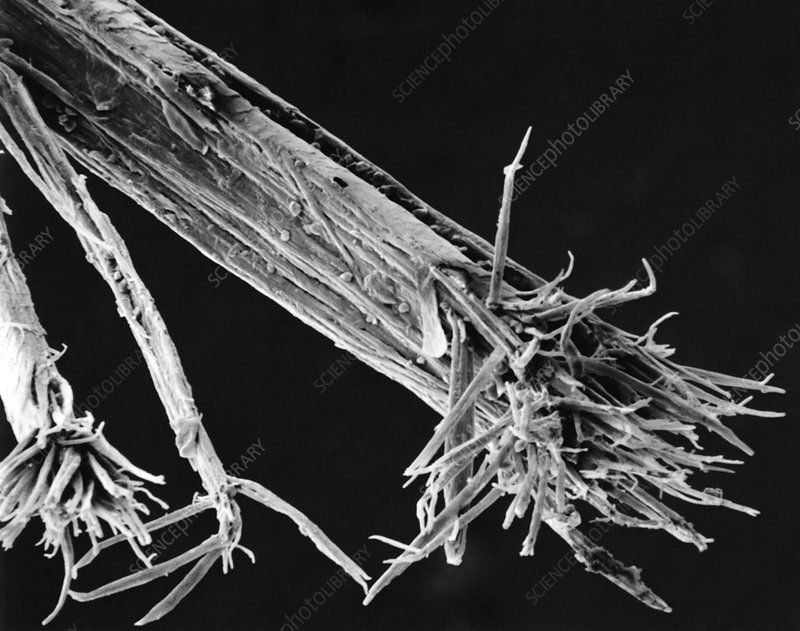
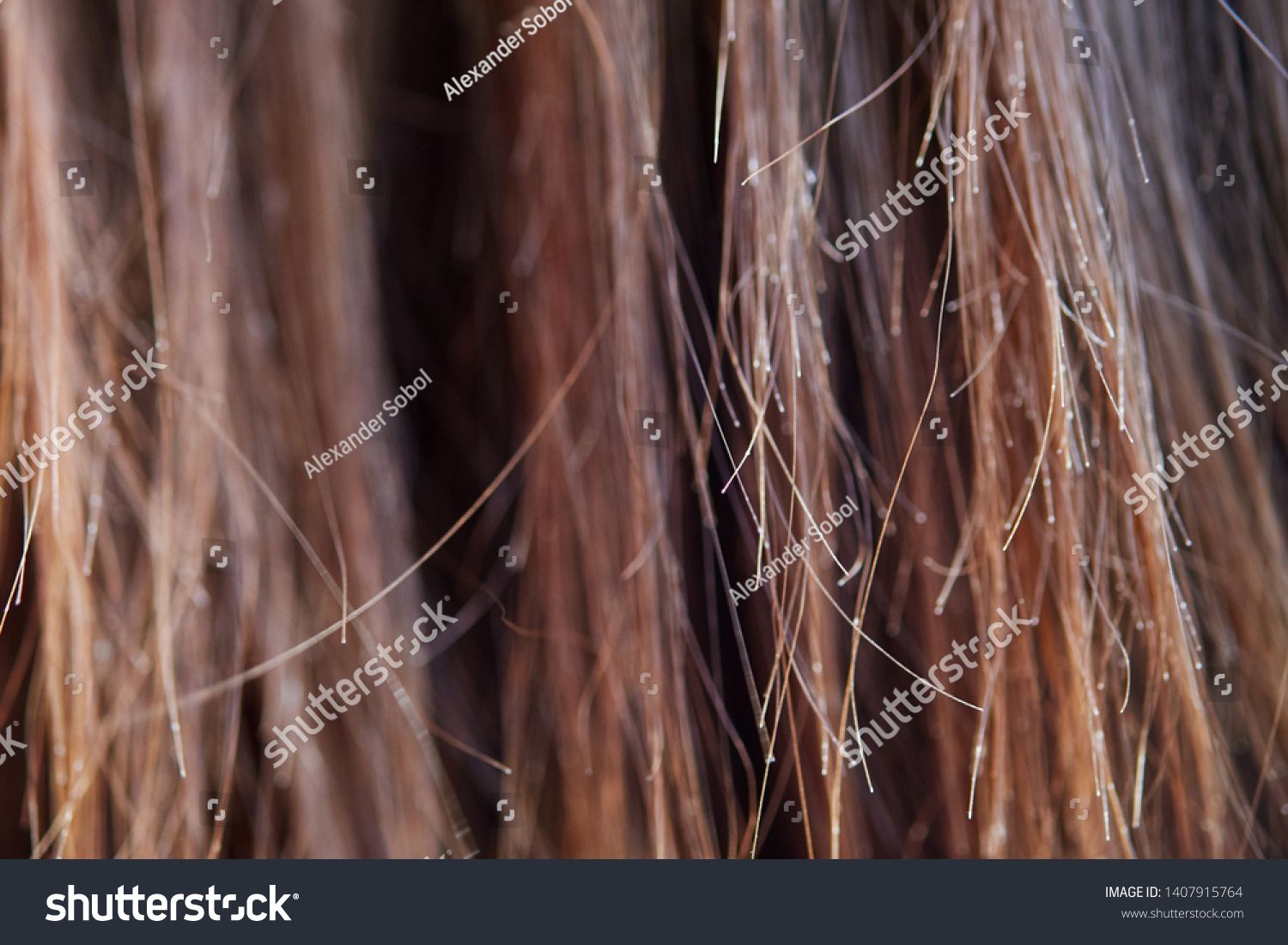
Common Causes of Split Ends
- Heat styling (blow dryers, straighteners, curling irons): weakens the cuticle and strips moisture
- Chemical treatments (bleaching, coloring, relaxers): break down the protein structure of hair
- Mechanical stress (brushing too hard, frequent ponytails, friction from towels or pillowcases): causes repeated wear on the tips
- Lack of moisture: dry hair is more prone to splitting because it’s less flexible
How to Treat Split Ends and Breakage
Unfortunately, once the hair shaft is split or broken, it cannot be “repaired.” The best approach is to trim damaged ends and prevent future harm.
Recommended Treatments
- Regular trims: every 8–12 weeks to remove split ends before they worsen
- Deep conditioning masks: replenish moisture and improve elasticity
- Protein treatments: help strengthen weakened strands (use sparingly, about once a month)
- Heat protectants: essential before styling tools to minimize cuticle damage
- Gentle detangling: use wide-tooth combs and start at the ends
- Silk pillowcases or microfiber towels: reduce friction and snapping
What to Avoid (and for How Long)
- Heat tools: minimize or avoid for several weeks; if needed, use on low heat with protectant
- Bleach and harsh dyes: avoid until hair is healthier, ideally 2–3 months between chemical treatments
- Tight hairstyles: give your hair breaks from braids, buns, and ponytails to reduce traction
Key Takeaway
Think of split ends as frayed shoelaces and breakage as a snapped thread—both are signs your hair needs care, but they happen in different ways. By understanding what causes them and how to treat them, you can protect your hair’s strength, shine, and growth potential.