
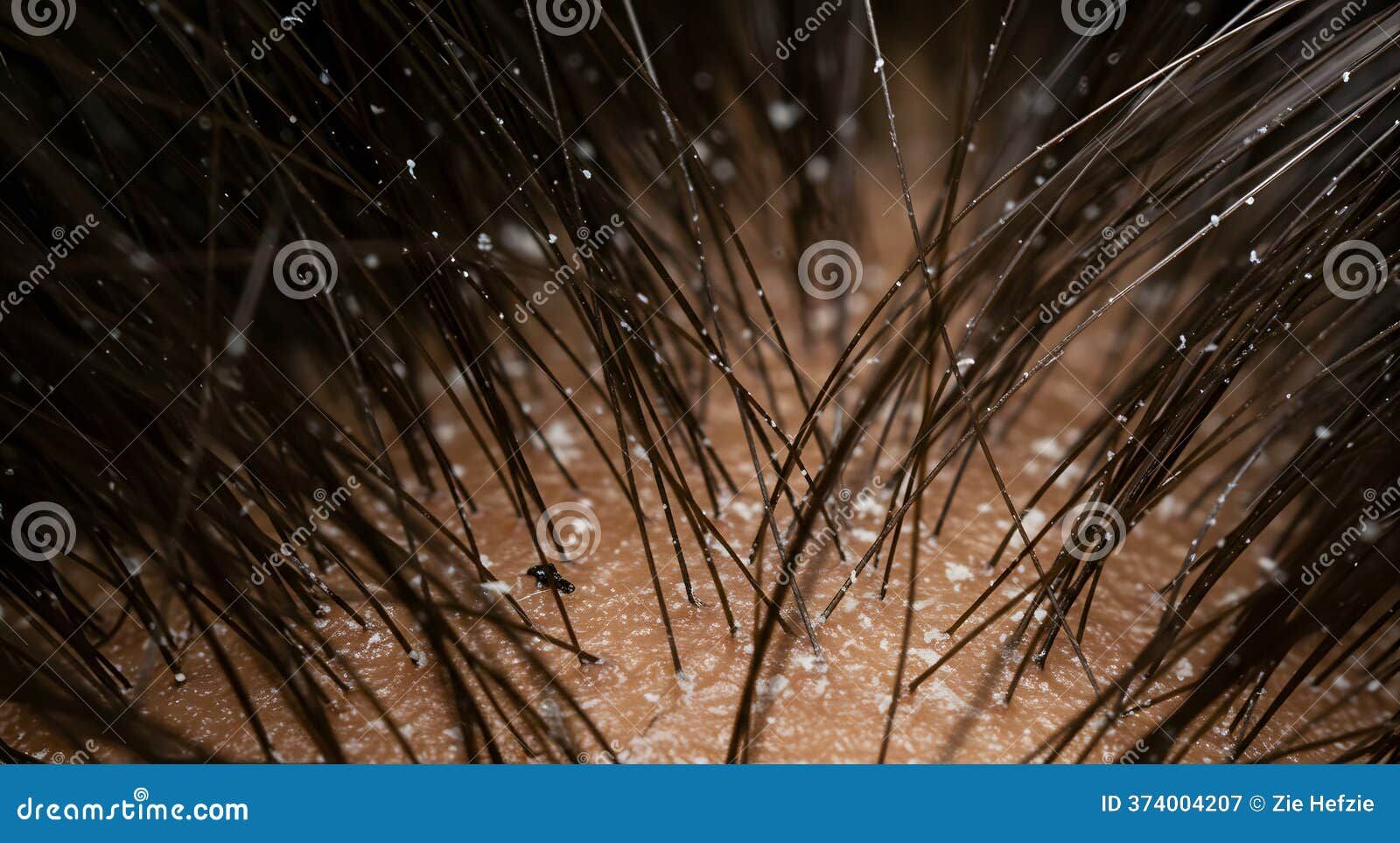
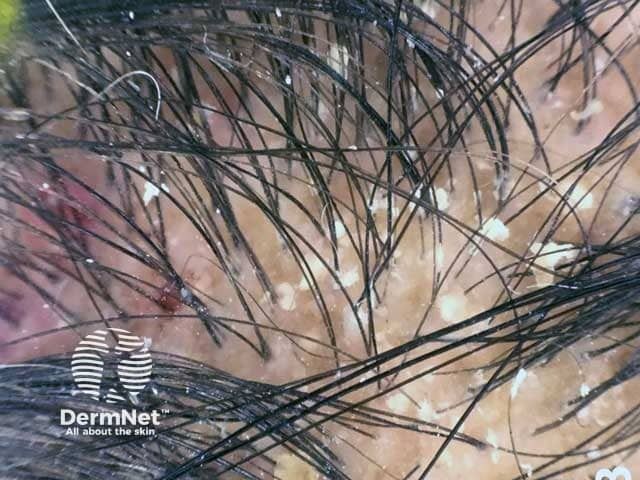
Both dandruff and seborrheic dermatitis are common inflammatory scalp conditions that cause:
- White or yellow flaking
- Itching or irritation
- Dry or oily scalp presentation
Key Difference:
- Dandruff = Flakes without inflammation
- Seborrheic dermatitis = Flakes + redness/inflammation
- Seborrheic dermatitis often extends beyond the scalp to the eyebrows, beard, ears, nose, and chest (especially in men)
Root Cause: The Malassezia Yeast
Both conditions are linked to an overgrowth of Malassezia, a naturally occurring yeast found in oily areas (scalp, face, chest). Under certain conditions, it can grow out of control and form biofilms, which:
- Act like a microscopic fortress that can block antifungal treatments from working
- Protect the yeast from your immune system
- Let symptoms persist or return after temporary relief
Common Triggers
- Oily scalp due to excess sebum production
- Poor scalp hygiene (infrequent washing) allows the scalp oils to accumulate
- Cold, dry weather or humid climates
- Hormonal changes or high DHT levels (e.g., from testosterone therapy)
- Hair products that disrupt the scalp barrier
- Stress and inflammation
- Processed food and excessive sugar intake
- Excessive alcohol consumption
How DHT Worsens Seborrheic Dermatitis:
- Stimulates oil glands, increasing sebum (Malassezia’s food source)
- Triggers inflammation, worsening itching, and redness
- Disrupts skin turnover, increasing buildup and flaking
Disease Course:
- Chronic and recurrent episodes; there is no cure to date
- Flare-ups followed by temporary remission
- Can lead to telogen effluvium (increased hair shedding due to inflammation)
Dandruff Treatment Options
Over-the-Counter Shampoos:
- Pyrithione Zinc (e.g., CeraVe, Vanicream, Dermaharmony Zinc Shampoo Bar)
- Selenium Sulfide (e.g., Selsun Blue)
- Salicylic Acid (e.g., Neutrogena T/Sal, Bondi Boost, Avalon Organics, MG217)
- Coal Tar (e.g., Neutrogena T/Gel, MG217)
- Piroctone Olamine (e.g., Ducray Squanorm)
Lifestyle Tips:
- Use slightly acidic pH shampoos (pH 4.3–5.0) regularly
- Avoid heavy oils, pomades, and styling gels
- Try low-carb diets, reduce sugar and dairy
- Add omega-3s and antioxidant-rich foods
- Manage stress and sleep
Seborrheic Dermatitis Treatment Options
Prescription Antifungal Shampoos:
- Ketoconazole 2% (Nizoral, Extina)
- Ciclopirox 1% (Loprox, Ciclodan)
- Selenium Sulfide 2.5% (Selsun Blue)
Prescription Topical Medications:
- Roflumilast 0.3% (Zoryve) – anti-inflammatory PDE4 inhibitor
- Topical steroids (hydrocortisone, clobetasol) – short-term flare control
Exfoliants & Scalp Care:
- Salicylic acid or coal tar
- Apple cider vinegar rinses
- Scalp facials or exfoliating brushes (to break down biofilms)
Oral Antihistamines:
- Loratadine (Claritin) or Cetirizine (Zyrtec) for itching
If your scalp is itchy, flaky, or irritated, and over-the-counter dandruff shampoos aren’t helping, it’s time to see a dermatologist who can prescribe various treatments.